Gardening enthusiasts often seek practical solutions for creating structured and productive vegetable plots, especially when transitioning to new environments. In a detailed Q&A session, horticulture expert Helen Chesnut provides insights into effective edging methods for raised garden beds and tackles the perplexing issue of poor germination for spinach and beets in coastal areas.
Choosing the Right Edging for Raised Vegetable Plots
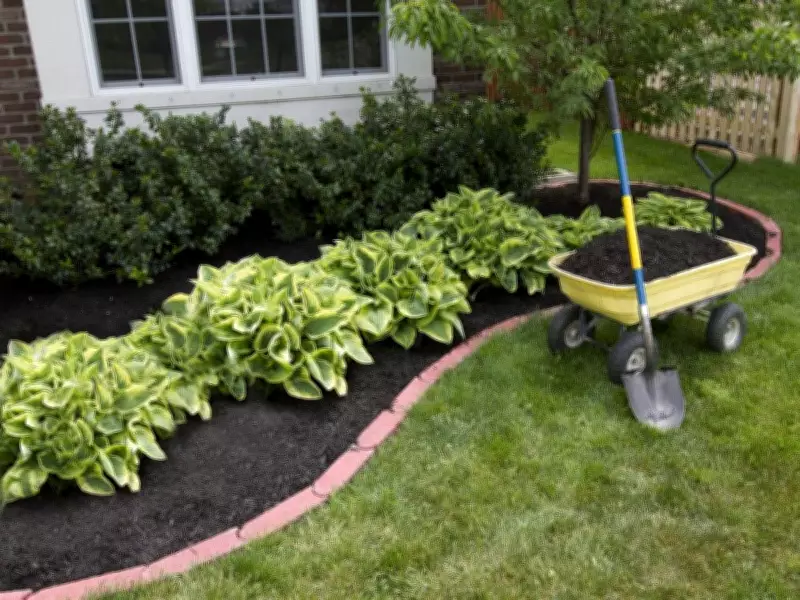
When establishing new vegetable plots that are slightly elevated above the surrounding ground, selecting appropriate edging is crucial for both aesthetics and functionality. Chesnut, drawing from her personal gardening experience, explains that raised beds do not necessarily require solid edging, but it can enhance structure and prevent soil erosion.
She describes her own setup: "I have four main vegetable plots, each slightly raised above the paths around them. Some are edged with old fence boards from a neighbor, which adds a rustic charm and effectively contains the soil." For plots with curved designs, she recommends a simpler approach: shaping the edges with a rake and firming them with a hoe blade, which works well even in light, sandy soils.

For those preferring a more defined border, Chesnut suggests alternatives such as bricks, logs, or boards made from recycled plastic, noting that these materials are available at many lumber suppliers. This flexibility allows gardeners to customize their plots based on availability, budget, and desired aesthetic.
Addressing Germination Challenges in Coastal Soils
A common dilemma faced by gardeners who relocate to coastal regions, particularly from interior areas like the Okanagan or the Prairies, is the failure of spinach and beet seeds to germinate and thrive. Chesnut frequently encounters this question and attributes it to soil acidity.
She explains: "Our rainy climate tends to leach alkaline elements like calcium and magnesium from most coastal soils, leaving them acidic. Spinach and beets need a neutral to slightly alkaline soil to produce satisfactory harvests." This acidity can stunt growth or prevent germination altogether, even in soils that previously yielded bountiful crops.
To combat this, Chesnut shares a personal anecdote: after moving back to the coast, she initially struggled with these vegetables despite using traditional dolomite lime. Her breakthrough came with Dolopril, a faster-acting, granulated dolomite lime, which successfully adjusted the soil pH and enabled healthy growth. This highlights the importance of using effective soil amendments tailored to specific environmental conditions.
Practical Maintenance and Long-Term Garden Health
Beyond edging and soil correction, Chesnut emphasizes the manageability of garden maintenance with the right techniques. For raised beds without edging, regular raking and hoeing can keep edges intact, reducing the need for constant repairs. When edging is used, materials like recycled plastic boards offer durability and resistance to weathering, making them a sustainable choice.
In addressing soil health, she advises gardeners to test their soil pH regularly, especially after relocating or when introducing new crops. "Understanding your soil's composition is key to preventing issues like root binding or poor garlic storage, which can affect overall plant vitality," she notes, referencing related gardening topics.
By implementing these strategies, gardeners can create resilient and productive plots that withstand coastal challenges. Whether defining beds with creative edging or correcting acidic soils, these methods foster successful vegetable cultivation and enhance garden longevity.