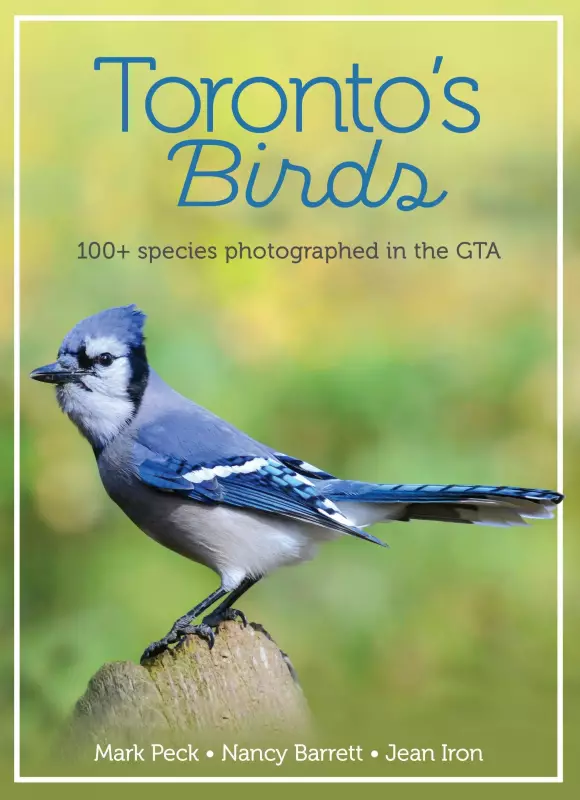
A stunning new coffee table book is giving nature enthusiasts an intimate look at the remarkable bird population thriving throughout the Greater Toronto Area. Toronto's Birds, published by Lorimer and priced at $35, serves as both an educational resource and visual celebration of the region's feathered residents.
Toronto's Prime Location for Bird Diversity
The Greater Toronto Area stands as one of Canada's most biologically productive zones, thanks to its diverse natural landscapes. The region benefits from fertile glaciated soil, extensive marshes, woodlands, urban green spaces, and its strategic position directly south of northern Boreal forests and Hudson Bay lowlands.
This geographical advantage places Toronto directly along major migratory flyways, while the city's shoreline and islands provide crucial stopover points for traveling birds. These factors combine to create exceptional habitat conditions that support an astonishing over 400 different bird species identified in the GTA, with more than 200 species known to live and breed here permanently.

Expert Authors Behind the Project
The book represents the collaborative effort of three accomplished author-photographers who bring decades of ornithological expertise. Mark Peck, Nancy Barrett, and Jean Iron are all longtime members of the Toronto Ornithological Club and dedicated nature photographers.
Peck brings particular authority to the project as the former Collections Specialist in Ornithology at the Royal Ontario Museum. Their combined experience ensures both scientific accuracy and compelling visual presentation that appeals to readers ranging from seasoned birders to casual nature observers.
Comprehensive Visual Guide to Local Species
Toronto's Birds features beautifully photographed portraits of more than 100 local bird species, each captured in their natural environments throughout the region. The images showcase birds in characteristic settings—from yellow warblers perched on forsythia branches to wood ducks gliding across ponds and herons ascending against clear blue skies.
Each species presentation includes a concise paragraph containing useful identification tips and behavioral information. The book organizes its content into six habitat-based chapters: The Neighbourhood; Ravines and Parks; The Outskirts; Wetlands; The Shoreline; and The Lake.
A particularly helpful feature involves each photograph being labeled with its exact capture location, revealing surprising bird sightings throughout the urban landscape. The book documents unexpected residents like the cuckoo, typically associated with southern U.S. regions, photographed in mid-town Sunnybrook Park.
Practical Resource for Bird Identification
While the publication doesn't replace comprehensive field guides like Roger Tory Petersen's classic or digital apps such as Merlin and iBird, it excels as a visual verification tool. The clear, close-up photographs without distracting gimmicks help readers confirm species identification.
The book proves especially valuable for distinguishing between similar species, such as telling apart horned grebes from red-necked grebes. It also helps identify commonly confused birds, like explaining that the short-necked goose spotted at Ontario Place is actually a cackling goose rather than the more familiar Canada goose.
Whether used for identifying backyard feeder visitors or species spotted during hikes, Toronto's Birds offers both aesthetic pleasure and practical utility for anyone interested in the natural wealth of Canada's largest metropolitan area.