Brian Minter's Guide to Early Spring Vegetable Planting in Metro Vancouver
If you're like gardening expert Brian Minter, the recent warm weather has created an urgent desire to get your food garden started. With mid-April temperatures reaching the teens and hopefully past those deceptive night frosts, now is the perfect time to begin planting for the earliest possible harvest.
Creating the Ideal Growing Conditions
Minter recommends selecting the sunniest spots in your garden and utilizing raised beds and containers to provide extra warmth to the soil. This approach allows gardeners to include a wider variety of cool-loving, early plants. The primary goal is to enjoy the earliest crops possible while spacing out subsequent plantings for continuous harvesting, extending the growing season well into Thanksgiving and beyond.
Starting with Seeds and Transplants
While early seeds like radishes, peas, onion sets, and early potatoes can be planted directly now, Minter suggests relying primarily on pre-started transplants for other varieties. This strategy saves weeks or even months of waiting for harvest times, accelerating the gardening process significantly.

Salad Greens: Quick and Flavorful
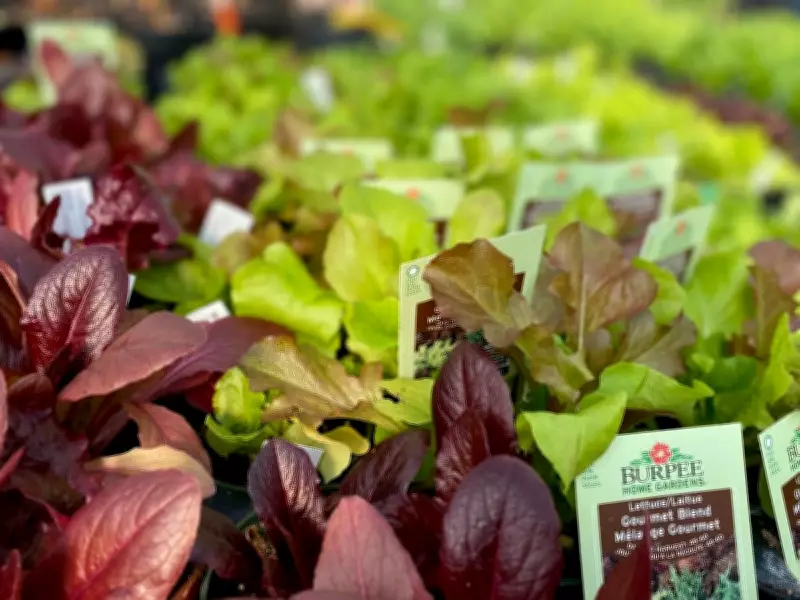
Pre-started lettuce and other salad greens grow remarkably quickly during this season. Butterhead and Bibb lettuces like Buttercrunch are favorites for both their flavor and ease of harvest. Red leaf lettuce adds vibrant color to salads and sandwiches, while Romaine varieties such as Green Towers form the essential foundation of Caesar salads. Blended lettuce mixtures like City Garden Mix offer a diverse range of flavors and continue producing throughout the entire summer.
Timing Greens to Prevent Bolting
It's crucial to start greens like arugula early, as they tend to bolt or go to seed during sudden bursts of hot weather. This same principle applies to remarkable Asian greens and mustard greens. If you can find these already started in four-inch pots, they'll likely be ready for harvest just a few weeks after transplantation.
Spinach represents another crop that needs early planting. Fortunately, spinach varieties mature quickly, typically within 30 to 45 days from transplanting started plants. While Bloomsdale Savoy remains a traditional favorite, numerous other varieties are available today. Harvesting should begin as soon as leaves start sizing up, since longer days with higher heat can trigger the bolting process.
Although not a true spinach, New Zealand Spinach (tetragonia tetragonioides) thrives in heat. While it takes longer to produce—often up to 60 days—it yields soft, tender spinach-like leaves throughout the entire summer.
Colorful and Long-Lasting Options
Swiss chard stands out as one of Minter's favorite greens, valued for its longevity in the garden, beautifully colored foliage, and wonderful flavor. Celebration and Bright Lights blends feature red, yellow, pink, and white stems, creating stunning garden displays.
Brassicas: Broccoli and Kale
Among brassicas, broccoli remains a perennial favorite. Purple-headed varieties like Summer Purple add visual interest to salad plates. Most broccoli types produce smaller side shoots when the central head is cut while young, extending the harvest period. Mini-head varieties such as Aspabroc and Artwork—commonly called broccolini—have gained significant popularity in recent years.
Kale continues to captivate younger gardening communities. Not only are kale plants the hardiest brassicas, but they also perform exceptionally well in hot summer conditions. The Bor series—including Redbor, Winterbor, and Darkibor—offers excellent options. The latest trend involves allowing kale plants to grow large as garden specimens, creating particularly attractive displays in fall and winter while remaining completely edible.