Zefferelli's Closure Marks End of Era for Vancouver Dining
The announcement that Zefferelli's restaurant has permanently closed its doors after more than three decades on Robson Street has stirred deep emotions among Vancouver residents. For many, this establishment represented more than just a place to enjoy Italian cuisine—it served as a cultural touchstone and a backdrop for significant personal moments.
A Restaurant Steeped in Memories
For countless Vancouverites, Zefferelli's occupied a special place in their personal histories. During the 1990s, it became a popular destination for first dates, where nervous energy could dissipate over plates of pasta while the ambient sounds of clattering cutlery and nearby conversations created an atmosphere of romantic possibility. The restaurant's second-floor location offered diners a glowing vantage point overlooking the bustling street below, creating an intimate setting that felt both sophisticated and welcoming.
The closure represents more than just another business shutting down—it signifies the loss of what many considered a piece of Vancouver's romantic imagination. In a city where restaurant turnover has accelerated dramatically in recent years, Zefferelli's remarkable 35-year run stood as a testament to enduring quality and consistent service. Its candlelit ambiance and unapologetic charm provided a reliable haven for generations of patrons seeking connection and celebration.

Broader Restaurant Industry Challenges
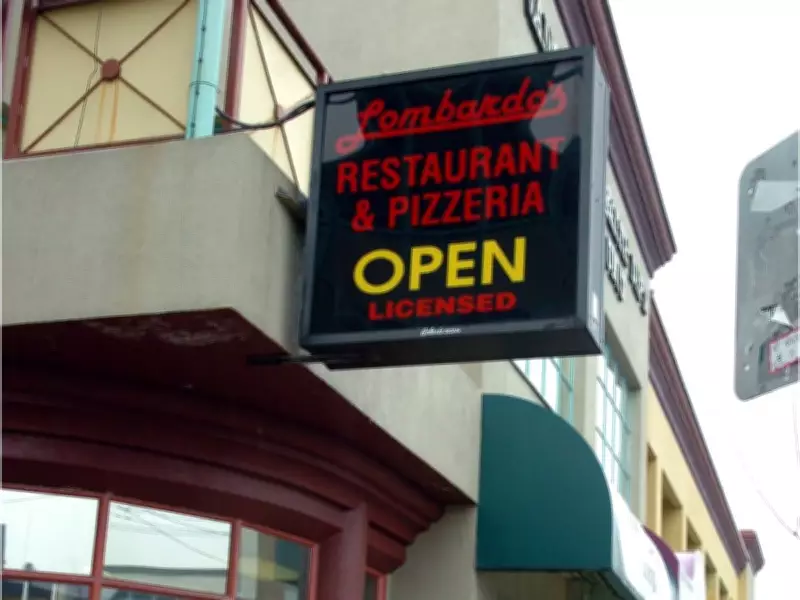
Zefferelli's joins a growing list of Vancouver restaurants that have closed their doors in recent years, including Lombardo's—one of the city's pioneering establishments to utilize wood-fired pizza ovens. These closures reflect broader economic pressures facing the restaurant industry, including rising operational costs, changing consumer habits, and increasing competition in an already saturated market.
The emotional response to Zefferelli's closing underscores how deeply restaurants can become woven into a city's social fabric. For West Vancouver resident Debra Dolan, the news evoked nostalgia typically reserved for cherished personal artifacts like old love letters or favorite songs. She recalls the restaurant as a place where she could reconnect with earlier versions of herself—particularly the hopeful individual who once ascended those stairs anticipating wonderful experiences.
Community Reflections on Urban Change
The closure has prompted broader conversations about Vancouver's evolving urban landscape. In letters to the editor, residents have expressed concerns about how rapid development and changing economic conditions are transforming the city's character. Some have suggested that developers should be required to present 3D models to better inform citizens about proposed changes to their neighborhoods.
Meanwhile, other correspondents have highlighted how public art, like Douglas Coupland's golden sculpture of the hollow tree at Cambie and Marine Drive, can serve as important cultural markers when properly understood. Burnaby resident Janice McCann expressed appreciation for learning about the sculpture's symbolism after passing it numerous times while driving her grandsons to soccer practice.
Looking Forward with Nostalgia
As Vancouver continues to evolve, the closure of long-standing establishments like Zefferelli's prompts reflection on what makes a city feel like home. These restaurants do more than serve food—they create spaces where community forms, memories accumulate, and personal stories unfold. Their absence leaves tangible voids in both the physical landscape and the collective consciousness of residents.
The conversation surrounding Zefferelli's demonstrates how deeply Vancouverites value the institutions that contribute to their city's unique character. While change remains inevitable in any dynamic urban environment, the passionate response to this closure suggests that residents will continue to advocate for preserving the elements that make Vancouver distinctive, even as they adapt to new realities in the restaurant industry and broader urban development.