The Hidden Realities of Restaurant Food Returns
Working in the food service industry demands resilience beyond ordinary expectations. Professionals across restaurants, bars, and catering services routinely face extended shifts, meticulous preparation demands, and modest compensation. Adding complexity to this challenging environment are customers who occasionally transform hospitality into hostility through unreasonable demands and complaints.
When Complaints Have Little to Do with Food Quality
While chefs and waitstaff acknowledge that genuine mistakes occur during food preparation, they recognize that many returned meals are actually perfectly acceptable. The motivations behind these returns often stem from external factors rather than culinary shortcomings.
"It's rarely about the food in those moments," explained Keyatta Mincey, an Atlanta-based cocktail curator. "It's about control, and that's when it becomes uncomfortable for everyone involved."

Customers might be experiencing personal difficulties, engaging in conflicts with dining companions, or overlooking key ingredients detailed in menu descriptions. Sometimes, the inherent power dynamic of restaurant dining—paying someone to serve you—can amplify unpleasant personality traits.
Bizarre Complaints from Restaurant Trenches
Industry professionals shared remarkable anecdotes about customer behavior that defies logical explanation:
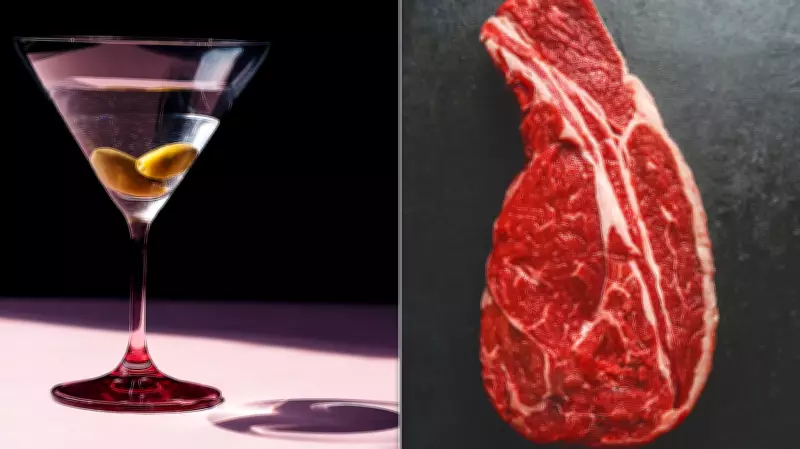
- Keyatta Mincey recalled: "I've seen someone send a cocktail back three times, not because anything was wrong with it, but because they 'didn't like the energy it was made with.'"
- Chef Rossi, a New York caterer, remembered: "Once I had someone send their steak back because they were convinced it looked like the state of Florida."
- Content creator and hospitality veteran Alana Fineman described a regular customer who consistently returns black mussels without tasting them, claiming they're too cold—even when steam visibly fogs her glasses from the scalding-hot platter.
- Geoffrey Paris, author of "More Sauce Madam?: The Adventures of a Hotel Manager," noted: "I've had a customer take their own plate of food into the kitchens themselves and complain directly to the chefs."
The Psychology Behind Unreasonable Demands
Some customers approach dining with strategic complaint mentality. Chef Rossi learned this early from her mother, who elevated restaurant complaining to an art form. "She used to tell me, 'You may have a wonderful meal, but nobody ever got anything from a compliment. If you could find some little thing to complain about, they might give you a discount or maybe even something for free,'" Rossi recalled.
This perspective led Rossi to report "spending most of my adulthood overtipping waiters just to atone for my mother's bad karma with the service industry."
South Florida-based chef Michelle Bernstein observed that certain customers establish negative patterns immediately: "I hate to admit it, but you can just feel it when they walk in. They begin complaining about the sound, the noise, their table and the server. It doesn't happen very often, but there are certain people for whom nothing you do will make them happy."
What Actually Happens to Returned Food
Many customers hesitate to send food back due to concerns about waste, but kitchen protocols have evolved significantly. Minneapolis chef John Sugimura explained: "Before the pandemic, some chefs gave that food to staff or even just retouched the original plate and sent it out to the next customer. But these days, if a customer touched the plate, it's going to land in the garbage every time."
Geoffrey Paris described varying approaches: "If it's untouched, it's given to staff or management. Otherwise, it gets thrown out and the whole dish recooked." He noted that some components might be salvaged depending on the complaint—such as transferring sandwich fillings to different bread or rinsing and reheating proteins with corrected sauces.
Chef Bernstein clarified: "If they want their meat cooked more, we place it back on the grill. We don't repurpose partially eaten food, and many items can't even go into a compost bin, sadly."
Proper Etiquette for Addressing Food Issues
Industry experts emphasize constructive approaches when meals don't meet expectations:

- Lead with kindness and clarity: Keyatta Mincey advises: "If you say, 'Hey, I don't think this is for me, could you recommend something else?' you'll get the best version of hospitality. We want you to have a great experience."
- Speak up promptly: Alana Fineman notes: "Guests should definitely not feel bad about saying something. That's why servers do the two-bite check-in—to find out early if the dish needs fixing."
- Address concerns in person: Geoffrey Paris observes that modern trends include complaining days later via email, but immediate feedback allows for resolution.
- Collaborate rather than confront: Mincey emphasizes: "When guests treat us like collaborators instead of adversaries, we go above and beyond."
The restaurant industry ultimately seeks to provide enjoyable dining experiences while navigating the complex dynamics between customer expectations and operational realities. Understanding these behind-the-scenes perspectives can foster more positive interactions for both diners and hospitality professionals.