In the heart of Metro Vancouver, a bustling culinary corridor along Scott Road bridges the municipalities of North Delta and Surrey, creating a vibrant tapestry of flavors that reflects the region's rich cultural diversity. From one traffic light at 93A Avenue to the next at 96 Avenue, this stretch is home to an array of eateries that serve as both dining destinations and community gathering spots.
A Safe Haven for Students and Families
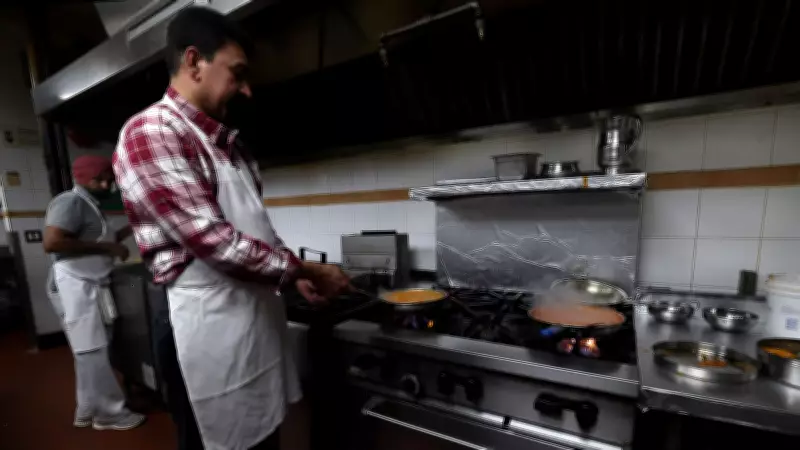
At Taste of Lahore restaurant in Surrey's Scott Town Plaza, co-owner Ghazala Mustafa has created more than just a dining establishment—she's built a sanctuary for local high school students. During lunch breaks from nearby L.A. Matheson Secondary, teenagers flock to her establishment for affordable $5 halal meals.
"I don't like them to be wandering around because there's so many bad things going on in Surrey, or be in bad company, so even if they just have free time, I tell them to come here and sit down. We know they're safe," Mustafa explained as she served two boys sharing a single meal.

The restaurant, which opened in 2019, offers generous portions of traditional Pakistani cuisine, including butter chicken over rice. For Muslim students whose parents prefer halal options, Taste of Lahore provides both culinary satisfaction and peace of mind. Beyond the dining area, the establishment features a large ballroom in the back that hosts wedding events and brunches, catering to the community's need for liquor-free, halal event spaces.
Beyond the Indian Restaurant Stereotype
While Indian restaurants dominate the landscape along this section of Scott Road, local food blogger and chef Raj Thandhi emphasizes the incredible diversity within this category.
"When you get into the nuance of it, and you try the different restaurants, you start to realize that there is a difference," Thandhi noted. "One very large culture gets put into one bucket but if you look at India, it has so many subcultures. You can try Punjabi food, Gujarati food, Tamil food and so much more."
The corridor offers everything from Indian street food and traditional vegetarian spots to cultural dessert locations and both North and South Indian specialties. This variety reflects the complex culinary landscape of the Indian subcontinent, providing diners with authentic regional experiences rather than generic "Indian" cuisine.
Fusion and Cultural Crossroads
The culinary diversity extends beyond South Asian offerings. Dragon Wok, a newly opened restaurant in the area, represents the unique fusion of Chinese cuisine with Indian flavors. Owners Eddie Chang and Richard Hsieh, brother-in-laws with Chinese-Indian heritage, bring their cultural background directly to the kitchen.
"We are Chinese and from India and actually, I am a third-generation Chinese in India so we blend the Indian spices into the Chinese cooking techniques and dishes," Chang explained. The restaurant serves as a culinary bridge between cultures, introducing many Canadians to the little-known Chinese-Indian community.
Other cultural offerings along Scott Road include:
- Zaiqa, another Pakistani restaurant whose name means "flavor" in Urdu
- Super Pho, a Vietnamese restaurant in Scott Town Plaza
- James Bakery, offering traditional Afghan bread
- Pamir Diner, a larger Afghan restaurant across the street
A Community Hub in Transition
The mix of shiny new signs and longtime staples reflects the changing landscape of Surrey and Scott Road itself, which is undergoing development on both sides of the street in both municipalities. According to Thandhi, this area has historically functioned as a community hub.
"This area particularly has always had that variety of mom-and-pop small businesses, family-run businesses. It is a sort of community hub," she observed. "A lot of students and people come from all over to that area to try the food."
The consistent R6 Scott Road rapid bus service makes the area accessible to people throughout Metro Vancouver, further enhancing its role as a regional dining destination. However, Thandhi notes challenges facing some businesses, including rising rental costs, changing dining habits, and entrepreneurs who prioritize passion over business strategy.

Preserving Culture Through Cuisine
The culinary corridor serves multiple functions for the community. For immigrants and their descendants, it provides a connection to cultural roots through familiar flavors and family recipes. For adventurous foodies, it offers an opportunity to explore diverse cuisines in a concentrated area.
Complementing the restaurants are essential community businesses that complete the hub:
- Cultural grocery stores stocking specialty ingredients
- South Asian fabric and clothing stores
- A post office and banking services
- Thrift stores and other retail establishments
This combination creates what Thandhi describes as a space that "keeps people close to their cultural roots, from the people cooking and preserving family recipes to the consumers coming there for a feel of nostalgia and then there's also adventurous foodies who can just have fun and explore the food."
The transformation of this area reflects broader changes in Surrey's culinary landscape. Where Thandhi recalls only a handful of South Asian businesses during her childhood in Newton, today's options have exploded in variety and quality over the past seven years, with no signs of slowing down.
Between 93A and 96 Avenues along Scott Road, twenty-four restaurants and food options create a microcosm of Metro Vancouver's multicultural identity. Free parking in business plazas and convenient transit access make this culinary corridor both accessible and inviting for anyone seeking authentic flavors and community connection.