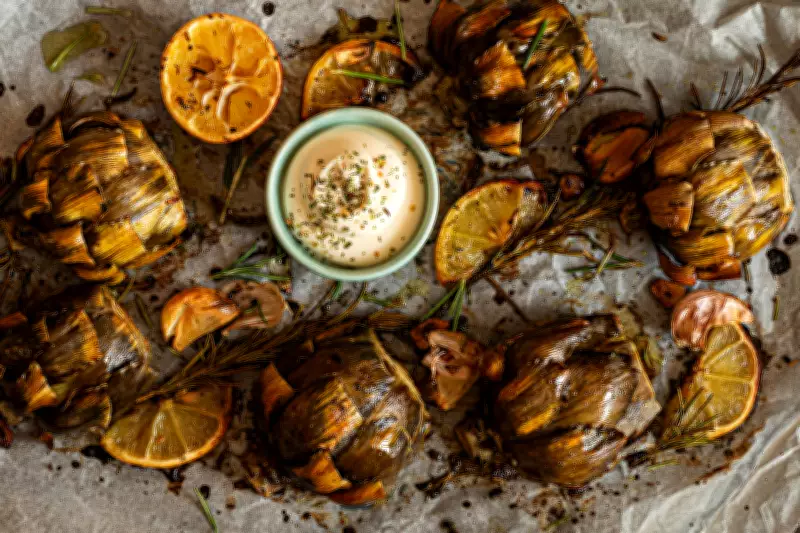
Passover Cooking: Blending Tradition with Modern Culinary Innovation
As Passover approaches in 2026, culinary enthusiasts and families are preparing to celebrate with time-honored dishes that reflect Jewish heritage and dietary laws. This holiday, centered around the Seder meal, offers a rich tapestry of flavors and symbolic foods, from matzah to bitter herbs, that tell the story of Exodus. In recent years, there has been a growing trend toward incorporating modern twists into traditional recipes, allowing for creative expression while maintaining cultural authenticity.
The Essence of Passover Cuisine
Passover cooking is deeply rooted in tradition, with strict guidelines that prohibit leavened products, known as chametz, during the eight-day holiday. This leads to a focus on unleavened bread like matzah, as well as ingredients such as eggs, potatoes, and fresh vegetables. Classic dishes include matzah ball soup, brisket, and charoset—a sweet mixture of fruits and nuts symbolizing the mortar used by Jewish slaves in Egypt. These recipes have been passed down through generations, often varying by region and family custom, yet they all share a common goal: to nourish both body and spirit during this sacred time.
Modern Adaptations and Creative Flair
Contemporary chefs and home cooks are increasingly experimenting with Passover recipes, introducing new techniques and ingredients to enhance traditional fare. For example, gluten-free alternatives to matzah have gained popularity, catering to dietary restrictions without compromising on taste. Innovations like cauliflower-based "mock" mashed potatoes or quinoa salads offer lighter, health-conscious options that align with Passover rules. Additionally, fusion cuisine has made its mark, with dishes such as matzah pizza or chocolate-covered matzah treats appealing to younger generations and adding a fun, modern element to the holiday table.

- Emphasis on fresh, seasonal produce to brighten up classic meals.
- Use of alternative grains like quinoa and buckwheat, which are considered kosher for Passover by some authorities.
- Incorporation of global flavors, such as Middle Eastern spices or Mediterranean herbs, to diversify traditional recipes.
- Focus on presentation, with beautifully plated dishes that make the Seder meal visually appealing.
Tips for a Successful Passover Feast
Planning a Passover meal requires careful attention to detail, from sourcing kosher ingredients to timing the preparation of multiple dishes. Experts recommend starting early, as many recipes benefit from advance preparation, like marinating meats or baking desserts. It's also important to consider guests' dietary needs, such as allergies or vegetarian preferences, by offering a variety of options. Engaging family members in the cooking process can foster a sense of community and pass on culinary skills to the next generation.
Ultimately, Passover cooking is about more than just food—it's a celebration of history, family, and resilience. By blending traditional recipes with modern innovations, cooks can create a memorable holiday experience that honors the past while embracing the future. Whether sticking to time-tested methods or experimenting with new ideas, the key is to infuse each dish with love and meaning, making the Seder a truly special occasion for all.