LaGuardia Controller Staffing May Have Breached Procedures on Night of Collision
An internal document has surfaced indicating that air traffic controller staffing at New York's LaGuardia Airport may have violated established procedures on the night a serious collision occurred. The incident involved an Air Canada Express jet and a Port Authority fire truck, raising significant safety concerns.
Details of the Incident and Emerging Questions
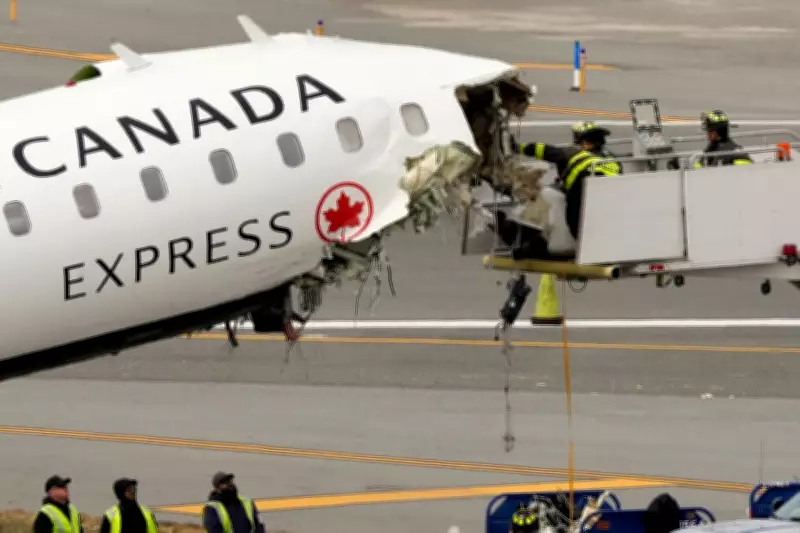
The collision took place on a Sunday night, with airport firefighters later seen removing loose debris from the wreckage of the Air Canada Express aircraft. The jet had collided with the fire truck just off the runway, prompting an immediate investigation into the causes and contributing factors.
According to the document, which has not been publicly released in full, there are indications that controller staffing levels or protocols might not have been in compliance with standard operating procedures that evening. This potential breach is now a focal point for authorities examining the sequence of events that led to the accident.

Broader Implications for Aviation Safety
This revelation adds a new layer to the ongoing investigation, highlighting possible systemic issues in air traffic management. Aviation experts emphasize that strict adherence to staffing guidelines is critical for maintaining safety, especially at busy airports like LaGuardia.
The incident underscores the importance of rigorous oversight and continuous evaluation of operational standards to prevent similar occurrences in the future. As the investigation progresses, further details are expected to emerge regarding the specific nature of the alleged procedural violations.
Context and Ongoing Scrutiny
The collision has drawn attention to the complex coordination required between air traffic control and ground operations at major airports. Any deviation from established protocols can have serious consequences, as evidenced by this event.
Authorities are likely to review not only the staffing aspects but also communication protocols, weather conditions, and other situational factors that might have played a role. The findings could lead to recommendations for enhanced training, updated procedures, or increased staffing requirements to bolster safety measures.
As the investigation continues, stakeholders in the aviation industry will be closely monitoring developments to ensure that lessons are learned and applied to improve overall safety standards.