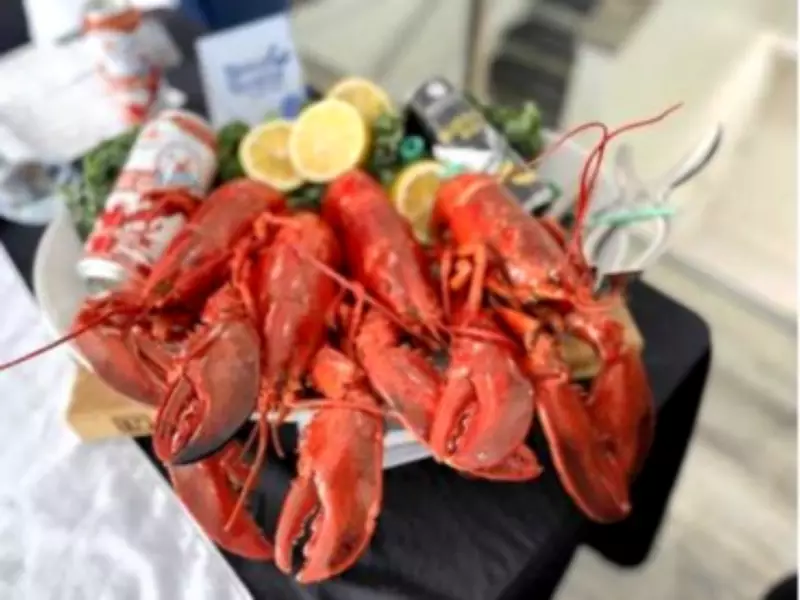
Some people grew up with lobster suppers spread across the kitchen table, cracking shells and debating whether the tail or claw is superior. (Tail, obviously.) Others have only ever ordered lobster in a restaurant. If you are in the latter camp, it is time to throw on an apron. We asked some of Nova Scotia's top lobster chefs to share their secrets.
Pro tips for cooking lobster
Ask a roomful of chefs the best way to cook lobster at home, and the answer comes back fast: boil it.
"Nothing beats boiling," assures Craig Nelson, who has cooked up to 1,000 lobsters a week at the Shore Club just outside of Halifax for the past 15 years. "Steamed just doesn't seem quite as juicy. Boiling keeps the moisture."

Sea water is the gold standard for boiling, but for those of us cooking far from the coast, salted tap water is the next best thing.
"Tap water kills the flavour of the lobster, because the body of the lobster is filled with salt water from the sea," explains Chef Alain Bosse, known as the Kilted Chef.
Aim for a quarter cup of salt per litre of tap water for best results.
Timing matters just as much. Overcooking is a common mistake. "You want to do eight to 10 minutes per pound, and it comes out to perfection," Nelson says.
A simple doneness test: pull on an antenna. If it slides out easily, it is done. For safety and quality, lobsters should be cooked alive or killed immediately before cooking.
For those squeamish about the process, Malcolm Campbell, Chef de Cuisine at Mystic, an immersive fine dining restaurant set along Halifax's waterfront, has a workaround. Put the lobster in the freezer for 20 minutes before cooking.
"It makes them drowsy, so it's not so much of a shock," he says. A quick, sharp knife behind the eyes, before it goes into the pot, is the most humane approach.
Out of the bath
Once time is up, move the lobsters straight into a sink of ice water. It stops the cooking process instantly and helps loosen the meat from the shell, which makes for easier extraction. If you remember only one thing, Bosse would like you to lay the lobsters on their back after they have been immersed in water.
"All the liquid will leak out if they are on their stomach, which is where they breathe through, and the meat becomes dry. Lying them on their back means they will remain juicy," he says.
From pasta to picking shells
Lobster's mildly sweet, firm meat lends itself to a wide variety of dishes, from classic rolls and rich bisques to indulgent pastas.
For restaurant inspiration, look to Mystic, named North America's best new restaurant for 2025 by the World Culinary Awards and recognized as one of Canada's 100 best. Mystic's latest lobster creation is agnolotti pasta filled with lobster mousse, studded with generous pieces of lobster in a rich sauce, and finished with fragrant lobster oil. Decadent without being heavy, you will probably never guess the secret ingredient. (Psst ... it is saffron added to both the pasta dough and the lobster stock.)
For most home cooks, though, boiled lobster dunked in melted butter remains a timeless classic.
"Breaking it down is part of the enjoyment," says Campbell. "Get your hands dirty, rip the tails off and start eating."
Just do not skip the sides! You would be hard pressed to find a lobster supper in Atlantic Canada that did not include potato salad, coleslaw and a soft roll waiting to be slathered with butter.
All that is left to do for your at-home lobster feast is lay newsprint or an easy-wipe cloth over the table. Let the shells pile up off the plate. Cleanup should be the last thing on your mind.