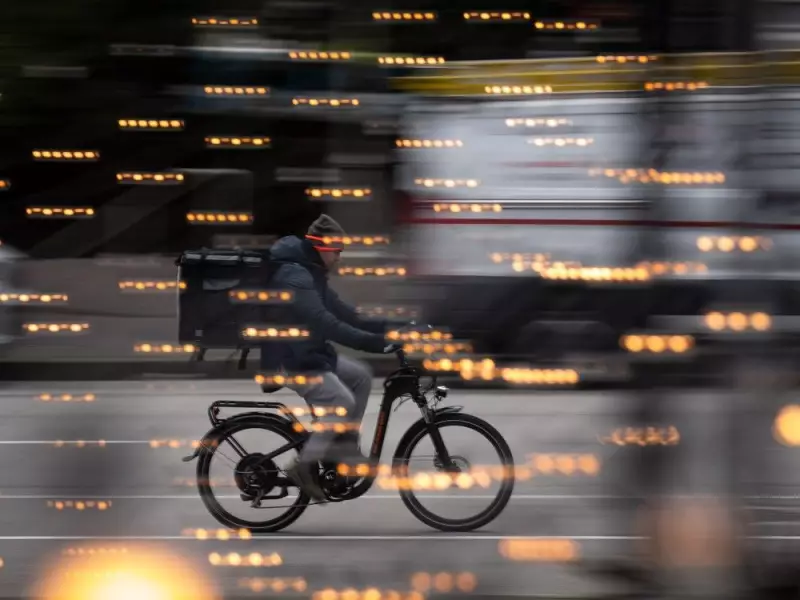
Vancouver's culinary landscape is undergoing a silent revolution, and most diners never see the kitchens cooking their favorite meals. Welcome to the world of ghost kitchens—the delivery-only restaurants that are reshaping how British Columbians experience food.
What Exactly Are Ghost Kitchens?
Imagine a restaurant with no dining room, no waitstaff, and no storefront signage. These culinary operations exist purely in the digital realm, operating from industrial spaces, shared kitchens, or even within existing restaurants during off-hours. They're the invisible engine behind many of your favorite delivery apps.
Vancouver has become a hotbed for this innovative food service model, with entrepreneurs and established restaurateurs alike embracing the ghost kitchen concept. From downtown high-rises to suburban industrial parks, these kitchens are serving up everything from gourmet burgers to authentic ethnic cuisine.

Why Ghost Kitchens Are Thriving in BC
The pandemic accelerated what was already a growing trend toward food delivery, but ghost kitchens offer benefits that extend beyond COVID-19 concerns. For aspiring chefs and food entrepreneurs, they represent a lower barrier to entry into the competitive restaurant industry.
Key advantages include:
- Substantially lower startup costs compared to traditional restaurants
- Reduced overhead with no need for prime real estate locations
- Flexibility to test multiple concepts simultaneously
- Data-driven menu development based on delivery app analytics
- Ability to scale quickly without physical expansion constraints
The Virtual Restaurant Phenomenon
Many ghost kitchens operate multiple virtual restaurant brands from the same physical location. A single kitchen might produce Italian pasta, Mexican tacos, and Asian fusion bowls—all under different brand names on delivery apps. This allows operators to maximize their kitchen's productivity and capture different market segments.
Vancouver food entrepreneurs are getting creative with this model, developing brands that cater specifically to delivery preferences. Some focus on late-night cravings, while others target health-conscious office workers or families seeking convenient dinner solutions.
Challenges in the Shadows
Despite their growing popularity, ghost kitchens face significant hurdles. Neighborhood concerns about increased delivery traffic, zoning regulations, and competition with traditional restaurants are creating tension in some communities.
Consumer awareness is another challenge. Many diners don't realize they're ordering from ghost kitchens, which raises questions about transparency and brand authenticity. Some customers have reported confusion when discovering their favorite "restaurant" doesn't have a physical location they can visit.
The Future of Food in Vancouver
Industry experts predict ghost kitchens will continue to evolve, with some moving toward specialized cuisine hubs and others incorporating technology like robotic cooking assistants. As delivery apps become more sophisticated, these virtual restaurants will likely become even more targeted in their offerings.
For Vancouverites, this means more diverse food options delivered faster than ever before. For entrepreneurs, it represents an exciting new frontier in the food service industry—one where culinary creativity meets digital innovation.
Whether you're a food lover curious about where your next delivery really comes from, or an aspiring restaurateur considering this model, understanding ghost kitchens is essential to navigating Vancouver's changing food landscape.