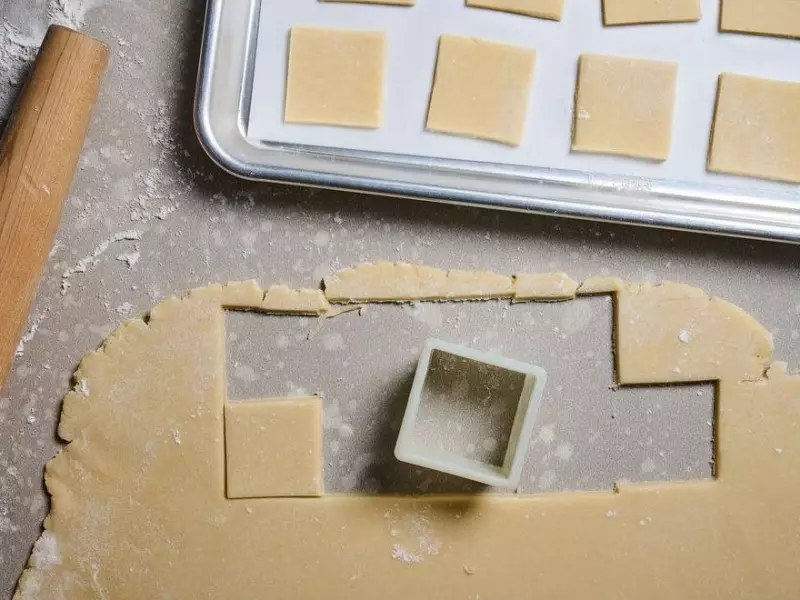
For many Canadian families, the holiday season is synonymous with the time-honoured tradition of baking cutout cookies. Whether crafting classic sugar cookies, rich shortbread, or spicy gingerbread, these festive treats are a cornerstone of Christmas celebrations. However, the joy of baking can quickly turn to frustration when dough sticks to the counter or intricate shapes melt into blobs in the oven.
The Golden Rule: Chill Your Dough
Keeping your cookie dough cold is the single most important step for success. Chilled dough is far less likely to stick, cuts cleaner, and holds its detailed shape during baking. Experts agree that when you chill the dough is flexible. You can refrigerate or freeze it after shaping it into a disk, after it's been rolled out, or even after the cookies have been cut.
According to King Arthur Baking's "Baking School" cookbook, if the dough cracks when you tap it with a rolling pin, it's too cold and needs a few minutes to warm slightly at room temperature. For best results, work with one portion of dough at a time, keeping the rest refrigerated. Pastry chef Zoë François, author of "Zoë Bakes Cookies," advises that if the dough softens while you're working, stop and chill it again. In a warm kitchen, you can even chill your countertop by placing a pan of ice cubes on it before rolling.

Mastering the Roll-Out: Less is More with Flour
A common baking pitfall is using too much flour when rolling out dough, which can lead to tough, dry cookies. François emphasizes the trick is to use as little flour as possible. Lightly dust your work surface and a wooden rolling pin to start, adding more only if absolutely necessary. A metal spatula or bench scraper can help lift stubborn dough.
To minimize flour use altogether, consider alternative rolling surfaces. Rolling dough between two sheets of parchment or wax paper is excellent for drier doughs. Non-stick silicone baking mats, designed for rolling, are also highly effective and make transferring dough to a sheet pan for chilling effortless. For sticky doughs, Rose Levy Beranbaum recommends in "The Cookie Bible" rolling between sheets of plastic wrap, which can also prevent surface cracks.
Sharp Tools and Smart Cutting Techniques
The right tools make all the difference. For the cleanest cuts, metal cookie cutters are superior, though sharp nylon cutters can also work well. The technique is crucial: press the cutter straight down into the dough without twisting. Twisting can seal the edges, preventing the cookie from rising properly and distorting its shape.
Keep a small bowl of flour nearby to dip the cutter into periodically, preventing dough from building up in the crevices of detailed shapes. For simple geometric cookies, a sharp pizza cutter or pastry wheel is a great option. Remember the mantra from pastry chef Natasha Pickowicz's "More Than Cake": "YORO" – You Only Reroll Once. Rerolling scraps more than once will toughen the cookies. Combine all scraps from a batch for one final roll-out, dusting off excess flour first, as François suggests.
By following these professional techniques—prioritizing a cold dough, rolling with minimal flour, and cutting with precision—your holiday cookie baking can transform from a stressful endeavour into a festive and rewarding ritual. Your snowmen will stay snowmen, your stars will shine sharp, and you'll be the undisputed champion of this year's cookie exchange.