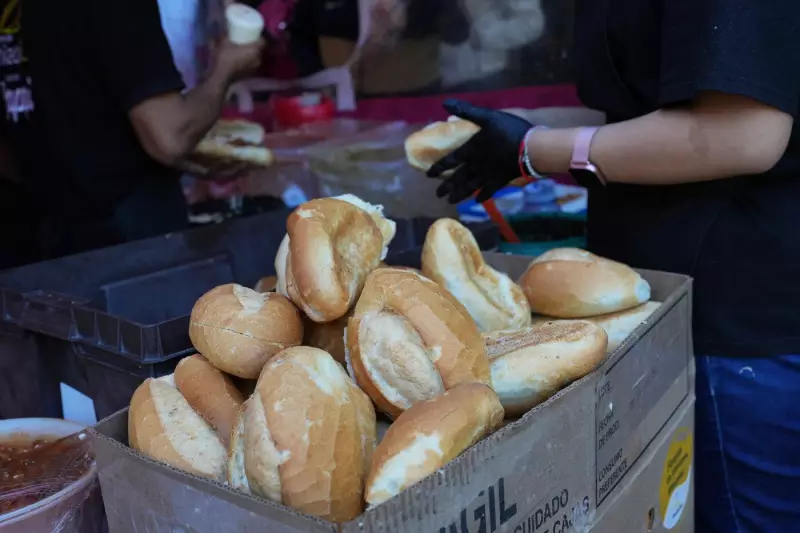
A comment from a British baker criticizing the appearance of a traditional Mexican bread has erupted into a significant controversy across social media platforms. The incident, which highlights the intersection of food and cultural sensitivity, saw users rallying to defend the beloved staple.
The Controversial Comment and Swift Backlash
The dispute began when the baker, whose identity has been widely circulated online, described the Mexican bolillo as an "ugly" bread. The bolillo, a crusty white roll integral to Mexican cuisine and often used for tortas and other dishes, is a common sight in bakeries and street stalls. The remark, perceived as culturally insensitive and dismissive, quickly spread beyond culinary circles.
Social media users, particularly those of Mexican heritage and food enthusiasts worldwide, mobilized to counter the critique. Platforms like X (formerly Twitter), Instagram, and TikTok were flooded with posts showcasing the bolillo's versatility and importance. Many shared personal stories, family recipes, and photos of the bread in its various forms, from simple rolls to elaborate sandwiches, using the moment to educate others about its cultural significance.

Defending a Culinary Staple
The online defense transformed into a celebration of Mexican culinary heritage. Commenters emphasized that the bolillo's value lies not in a uniform, aesthetic perfection but in its taste, texture, and role in daily life and tradition. Food historians and chefs joined the conversation, noting the bread's history and its status as a comfort food for many.
"This isn't just about bread; it's about respect for a culture's cuisine," one user commented. Others pointed out that judging food from another culture based on unfamiliar aesthetics can perpetuate cultural ignorance. The backlash underscored a broader trend where social media serves as a platform for calling out perceived cultural disrespect and for communities to assert pride in their traditions.
Broader Implications for Cultural Exchange
This incident, occurring on December 19, 2025, reflects ongoing global conversations about cultural appreciation versus appropriation, especially in the culinary world. It serves as a reminder of the power of social media to amplify both criticism and cultural education. While the original baker's comment was brief, the response was a detailed, crowd-sourced defense of a national food item.
The event also illustrates how digital platforms can quickly turn a single opinion into an international discourse, holding individuals accountable and fostering discussions on sensitivity. For many observers, the passionate defense of the bolillo was less about the bread itself and more about asserting the dignity and richness of Mexican culture against a flippant critique.
As the online storm demonstrates, in an interconnected world, comments on food—a deeply personal and cultural subject—can resonate far beyond the kitchen, touching on issues of identity, respect, and heritage.