Travelers often make common dining mistakes abroad, from rushing through meals to expecting free refills. Experts advise adapting to local customs to enhance the experience.
Rushing Through Meals Is a Common Faux Pas
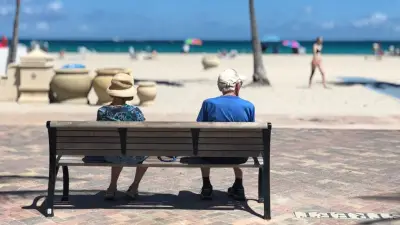
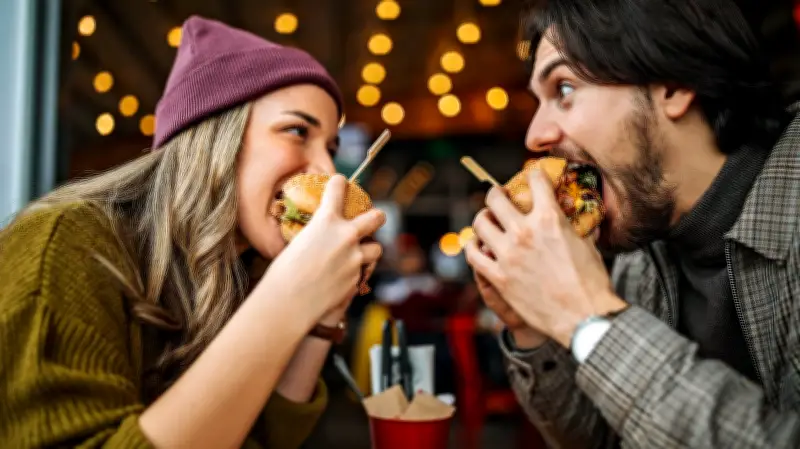
In the United States, fast service is the norm, but in many other cultures, meals are meant to be savored. Kelly Duhigg, a travel blogger and founder of Girl With the Passport, noted that in Italy and France, rushing through a multicourse meal is a big no-no. “They savor the experience of dining, and the restaurants won’t feel rushed to turn the table,” she said. Timon van Basten, a tour guide in Spain, added that tourists often demand faster service without realizing it’s not how things are done there. Chris Atkins, owner of Central America Fishing, said this also applies in Latin America, where dining is a luxury to be enjoyed slowly.
Expecting Dinner at 6 p.m. May Not Work
Meal times vary globally. In Latin America and the Mediterranean, dinner is often eaten around 8 or 9 p.m., according to Emmanuel Burgio, founder of Blue Parallel. In Buenos Aires, dining at 10 p.m. is typical, and many restaurants won’t take reservations before 8 p.m. Travelers should adapt to local schedules and plan accordingly.

Late-Night Food Isn’t Always Available
While U.S. cities offer 24/7 food options, not all destinations do. Ravi Parikh, founder of RoverPass, advises avoiding wandering at night expecting open restaurants. Instead, plan to have dinner earlier or explore street food during the day.
Loudness Can Be Disruptive
In many European countries, a quiet tone during meals is expected. Elaine Warren, founder of The Family Cruise Companion, said Americans need to be cautious about loudness overseas. Jay Ternavan, founder of JayWay Travel, noted that in some cultures, maintaining a silent and respectful atmosphere is valuable.
Takeaway Coffee Is Uncommon Outside the U.S.
In many parts of the world, coffee is a leisurely experience, not a grab-and-go affair. Michael L. Moore, founder of Countdown to Magic, suggests finding a charming café and indulging in a slow coffee break, exploring regional specialties instead of ordering your usual.
Avoid Business Calls or Laptops at Dinner
Using technology during meals can be disruptive. Karen Magee, president of Valerie Wilson Travel, advises leaving laptops and phone calls for after the meal. Keri Baugh, a travel writer, brings sketchbooks for her kids instead of electronics to avoid disturbing other diners.
Free Refills Are Rare Abroad
Unlike in the U.S., non-alcoholic beverages like soda and sparkling water often come in smaller glasses without ice, and refills are not free. Baugh noted that you pay for each order in many countries.
Don’t Expect the Bill Immediately
In Central America, after a meal, it’s common to have a cafecito (small coffee) before the bill arrives. Atkins explained that this slower pace is not poor service but a different focus on enjoying the meal and conversation. In France, you may need to request the check.