Culinary Exploration of Rome Through Three Signature Dishes
Food enthusiasts and home cooks can now embark on a gastronomic journey through Italy's capital with three authentic Roman recipes featured in Katie Parla's latest culinary publication. The cookbook author, who has resided in Rome for over two decades, presents dishes that capture the essence of the city's evolving food landscape.
Three Iconic Roman Creations
The featured recipes represent distinct aspects of Roman culinary tradition:
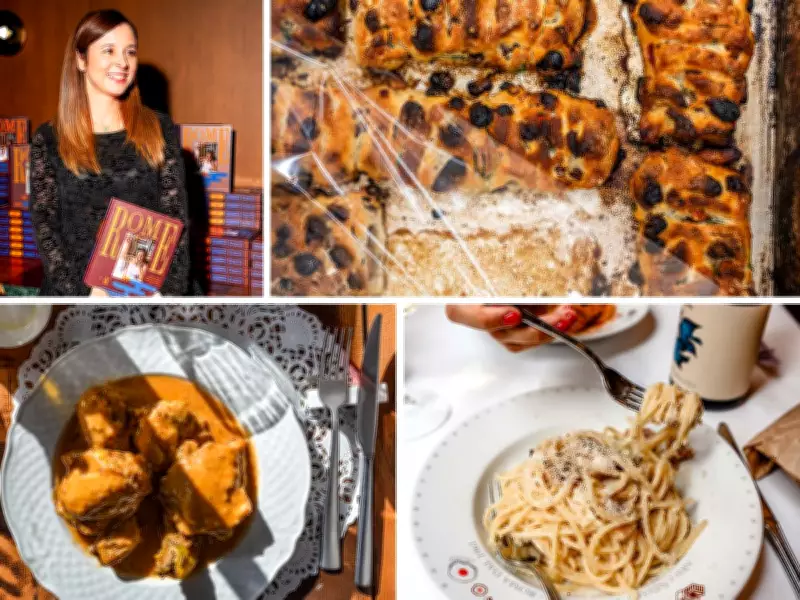
- Pollo alla Cacciatora: A tangy chicken stew that exemplifies rustic Italian cooking traditions with its rich flavors and comforting preparation methods.
- Spaghetti alla Gricia: This iconic pasta dish showcases Rome's mastery of simple yet profound flavors, combining spaghetti with black pepper, guanciale (cured pork cheek), and Pecorino cheese.
- Pizza Ebraica: A Jewish fruitcake that reflects Rome's diverse cultural heritage, featuring pine nuts, raisins, and candied fruit in a unique sweet creation.
Rome's Evolving Food Culture
Parla's observations reveal significant transformations in Rome's culinary scene since her arrival in 2003. The emergence of farmers' markets beginning in 2009 marked a turning point, while a vibrant street food culture has developed to serve budget-conscious residents and precarious workers seeking satisfying meals.

"Now people can have the most incredible, thoughtfully made braised meat sandwich, or they can go to a cafeteria-style place and have something that feels like a home-cooked meal made with really nice ingredients," Parla explains, highlighting how economic constraints have sparked culinary innovation.
Beyond the Tourist Center
The cookbook serves as both recipe collection and cultural guide, encouraging readers to explore Rome's diverse neighborhoods. Parla emphasizes that most Romans live in distinct quartieri like Flaminio and Trionfale, each with unique culinary identities often overlooked by visitors.
Her publication concludes with an appendix dedicated to artisanal producers and authentic food venues, addressing the reality that approximately 80 percent of Italian food is produced industrially. This section helps readers discover businesses aligned with traditional Italian food values.
Culinary Documentation with Context
Parla approaches her subject with journalistic rigor, stating that her work isn't about presenting "the best" of Rome but rather documenting the city's culinary reality. "Rome is in constant evolution," she notes, explaining how the city's food culture has transformed across different decades.
Through her cookbook, food tours, and recipe development, Parla provides context and tools that help both visitors and readers better understand and navigate Rome's complex food spaces, celebrating how economic challenges have paradoxically enhanced culinary creativity and accessibility throughout the Eternal City.