Mastering the Art of Gel Nail Polish Removal at Home
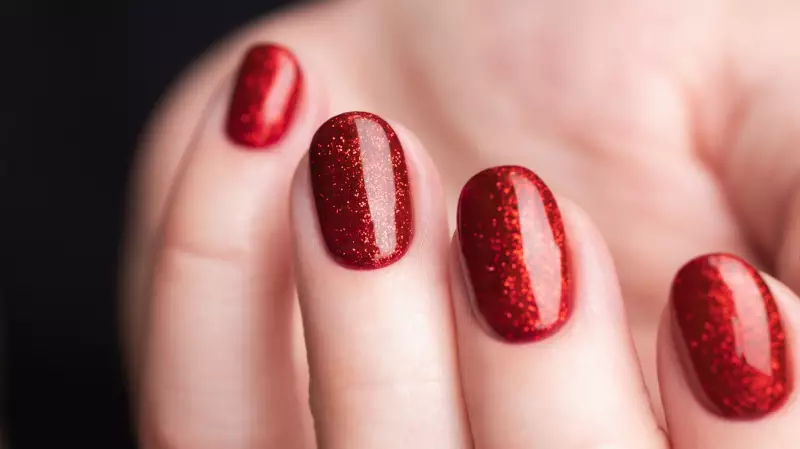
Gel manicures have revolutionized nail aesthetics with their long-lasting, chip-resistant finish. However, when the time comes for removal, the process requires more finesse than traditional polish. Unlike regular nail lacquer that wipes away with remover, gel formulations undergo a chemical transformation that makes them remarkably durable.
According to Saren Thach, nail technician and co-owner of Philly Nail Company, gel polishes contain specialized ingredients called photoinitiators. When exposed to LED curing lights, these components trigger polymerization—a chemical reaction that transforms the liquid polish into a hardened, solid gel surface. Ann Nguyen, owner of Top Coat Nail Studio in Bryn Mawr, Pennsylvania, describes this as the "curing" process that creates the characteristic durability of gel manicures.
Essential Preparation for Successful Removal
While professional removal remains an excellent option, both Thach and Nguyen confirm that home removal can be accomplished safely with proper technique and patience. The key lies in having the right tools and avoiding the temptation to force or pry the polish off, which can cause significant nail damage. Below, nail experts provide a comprehensive guide to gentle, effective gel removal.

Step-by-Step Removal Process
- File Away the Top Layer
Lisa McElhone, founder of Lacquer Lounge in Philadelphia, emphasizes that the first critical step involves carefully filing off the shiny topcoat seal. "You know you've removed enough when the color appears dull," McElhone explains. Nguyen recommends using 100/180 grit nail files, which provide sufficient abrasion without being overly harsh on the nail surface.
- Apply Protective Barriers
After filing, generously apply cuticle oil around the cuticle area only, avoiding the nail bed itself. Thach advises rubbing the oil upward toward the knuckles. For additional skin protection, Nguyen and McElhone suggest using Aquaphor or Vaseline around cuticles and surrounding skin. These products not only hydrate but create a protective barrier against acetone exposure.
- Acetone Soaking Technique
McElhone provides detailed instructions for the acetone application: "Soak a cotton ball in pure acetone and place it directly on the nail. Wrap each nail with a small aluminum foil square (approximately 4x4 inches) to secure the cotton ball in place. Allow this to sit for 15-30 minutes." To accelerate the process, she recommends placing a warm towel over your fingers. All technicians stress patience during this phase—if polish remains after initial soaking, rewrap and continue the process.
Important safety note: While acetone is safe for home use, keep it away from pets and children, avoid spills, and never ingest the substance.
- Gentle Polish Removal
After thorough soaking, the remaining polish should lift away easily. Experts unanimously recommend using orange wood cuticle pushers or similar tools to gently remove any residual gel without scraping or damaging the natural nail underneath.
- Post-Removal Nail Care
Once all gel polish has been removed, Thach suggests giving nails a gentle buffing followed by generous application of cuticle oil directly to the nail bed. "Regular application of cuticle oil after removal prevents brittleness and maintains nail flexibility to minimize breakage," she explains.
- Complete Hand Hydration
McElhone recommends finishing with a quality hand cream to maintain moisture levels. Popular options include O'Keefe's Working Hands for intensive treatment, La Roche-Posay's soothing Cicaplast formula, and L'Occitane's rich shea butter hand cream.
Alternative Solution: Gel Removal Kits
For those seeking maximum convenience, Nguyen notes that gel removal kits are available online. However, she cautions that these kits typically don't include acetone and recommends verifying that all necessary tools are present. A comprehensive kit might include nail clips, a remover pump bottle, cotton pads, multiple grit nail files and buffers, a nail brush, and stainless steel removal tools.

By following these expert guidelines and exercising patience throughout the process, you can successfully remove gel manicures at home while preserving nail health and integrity. The combination of proper technique, appropriate tools, and consistent aftercare ensures your natural nails remain strong and beautiful between professional appointments.