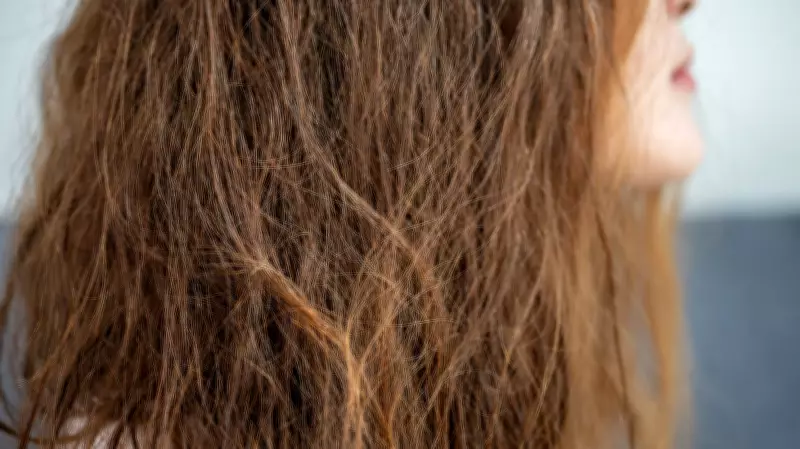
If protein serves as a fundamental building block for hair, it might seem logical to heavily use products packed with it, correct? In today's beauty market, popular hair repair solutions often feature ingredients like keratin, collagen, peptides, and bond-building complexes, all promising to enhance hair health. However, experts caution against overloading on these treatments too quickly.
The Risks of Excessive Protein in Hair Care
While protein is essential for maintaining strong and healthy hair, applying it topically in excess can backfire. When protein accumulates faster than hair can manage, strands may become stiff and brittle, leading to increased breakage, frizz, and tangling. Here, hair specialists detail what protein overload entails, how to identify it in your hair, and strategies to restore balance to your care regimen.
Why Too Much Protein Can Damage Hair
Protein, primarily composed of keratin, provides strength and structure to each hair strand. Bonds, or crosslinks, between keratin chains allow hair to stretch. Caroline Ruggiero, a certified trichologist and CEO at Truly You Hair & Scalp Clinic in Mississauga, Ontario, explained, "Healthy hair maintains a protein matrix with intact crosslinks, enabling fibers to resist traction while retaining elasticity and shine."

However, layering protein-based shampoos, conditioners, masks, and styling products—frequently marketed as strengthening or repairing—too often can result in protein overload. Emmanuel Mroczka, a trichologist and co-owner at The Hair & Scalp Specialists in Fairview Park, Ohio, noted, "Like anything, more isn't always better. Hair affected by protein overload typically feels stiff or straw-like, rough even after conditioning, prone to tangling and static, and brittle—snapping easily instead of stretching."
He added that breakage often occurs in areas that usually remain intact, such as near the scalp or around the crown, because hair loses elasticity from root to tip.
Distinguishing Protein Overload from Dryness
Protein overload can mimic simple dryness, but the key distinction lies in elasticity. Mroczka said, "Dry hair often softens with moisture and retains some stretch. Hair with excess protein tends to feel rigid and snaps easily, even after conditioning." An easy at-home test involves gently stretching a damp strand; healthy hair should have give and bounce back. Recognizing this difference helps in selecting appropriate treatments and avoiding overcorrection.
Why Hair Absorbs Excess Protein
Chemical treatments like bleaching, relaxing, perming, and repeated coloring, along with heat styling and exposure to UV rays or pollution, can damage the hair cuticle—the protective outer layer—increasing shaft porosity. Dr. Divya Shokeen, a board-certified dermatologist and hair transplant surgeon, explained, "When the cuticle is disrupted, hair loses internal proteins and lipids, exposing the cortex and raising porosity. This causes hair to absorb products more aggressively, making protein buildup more likely."
While ingredients in protein-forward products, such as hydrolyzed keratin, collagen, amino acids, keratin peptides, and bond-building complexes, are not inherently harmful, the risk arises from overcorrecting. Shokeen emphasized, "Damaged hair requires a balance of protein, moisture, and lipids, not just high-protein products alone." Repeated use of protein-heavy treatments, especially when layered in the same routine and paired with infrequent washing, can leave fragile strands feeling even more brittle.
She advised, "Clinical rule of thumb: the more styling layers used, the more important periodic clarifying washes become."
Effects of Protein Overload on Hair Health
Protein overload typically does not halt hair growth at the follicle, but it can impact hair length and fullness by increasing brittleness and breakage. Mroczka noted, "If protein-based products are applied directly to the scalp—generally not recommended—they can contribute to buildup and irritation around the follicle. Over time, chronic scalp inflammation can interfere with a healthy growth environment."

It can also blur the line between shedding and breakage. Mroczka added, "Many people mistake mid-shaft breakage for excessive shedding, appearing as shorter hairs. Normal daily shedding is around 80 to 100 strands. With protein overload, breakage adds to this, making hair loss seem more dramatic." Fortunately, this issue is often reversible once the routine is rebalanced.
Hair Types Most Vulnerable to Protein Overload
Fine, chemically treated, and low-density hair are particularly prone to protein overload. Shokeen said fine strands have less inherent strength and smaller shaft diameter, limiting flexibility, so protein-heavy products can quickly cause stiffness and breakage.
Porosity plays a crucial role. High-porosity hair, with gaps or damage in the cuticle, absorbs protein rapidly, making overload likely. This type benefits from occasional protein paired with consistent moisture and lipid support. Low-porosity hair, with a tightly closed cuticle, resists absorption, causing protein to sit on the surface and lead to coating, stiffness, and dryness. Shokeen recommended, "Low-porosity hair usually does better with lighter hydrolyzed proteins or minimal protein use."
Since the ideal frequency of protein treatments depends on hair type and formula, experts advise following label directions closely. Ruggiero suggested, "In general, I recommend intervals, such as one month on and three months off. More is not more."
How to Reset Your Hair Care Routine
Mroczka outlined steps to address protein overload: "First, pause all protein-based products, including conditioners, masks, leave-ins, and styling treatments labeled 'repair,' 'strengthening,' or 'bond-building.' This may also include protein-heavy shampoos."
Next, switch to a hydrating shampoo. Gently cleanse the scalp, allowing lather to rinse through lengths without aggressive scrubbing, and follow with a moisturizing conditioner to improve slip and flexibility. Mroczka added, "A lightweight hydrating or conditioning spray throughout the day can support moisture, especially on dry ends." If buildup is present, use a clarifying shampoo no more than once every other week, as overuse can strip natural oils and worsen dryness.
During this reset, limit heat styling and chemical treatments for a few weeks to allow elasticity to recover. Mroczka advised, "Once hair feels softer and more flexible, protein can be slowly reintroduced. Balance is the goal, not eliminating protein entirely."