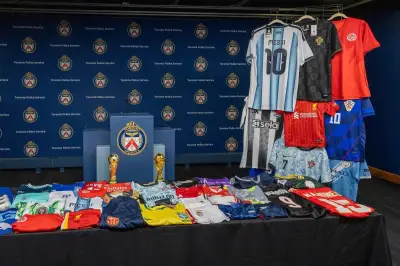
U.S. and Canadian border officials are reporting a significant increase in the seizure of counterfeit goods, particularly sports merchandise, as the World Cup draws near. The influx of fake jerseys, hats, and other memorabilia has prompted heightened vigilance at border crossings and ports of entry.
Officials Warn of Growing Problem
Customs and border protection agencies on both sides of the border have noted a sharp rise in counterfeit items linked to the tournament. These goods often infringe on trademarks and can pose safety risks due to substandard materials. Officials emphasize that consumers should purchase only from authorized retailers to avoid supporting illegal trade.
Enforcement Efforts Intensify
Joint operations between U.S. Customs and Border Protection and the Canada Border Services Agency have been ramped up. Training for officers to identify fake products has been enhanced, and technology such as scanners and databases is being used to track suspicious shipments. Seizures have included clothing, accessories, and even tickets.

The economic impact of counterfeiting is substantial, costing legitimate businesses billions annually. Moreover, profits from counterfeit sales often fund organized crime. Officials urge the public to report suspicious items and to be cautious when purchasing online or from street vendors.
Fan Awareness Key
As the World Cup generates excitement, fans are reminded to verify the authenticity of merchandise. Look for official licensing labels, quality stitching, and proper packaging. Buying from team stores or authorized dealers ensures both quality and support for the sport.
Border officials stress that the fight against counterfeiting is ongoing, and cooperation with international partners is crucial. The goal is to protect consumers, intellectual property, and the integrity of the tournament.