The past year has been a period of significant anxiety and upheaval for Canada's automotive industry, a cornerstone of the Southwestern Ontario economy. Trade tensions with the United States have forced major automakers to reconsider their strategies, leading to production shifts and cancellations that have directly impacted thousands of workers.
Amid Uncertainty, a Major Commitment Holds Firm
However, the narrative is not solely one of loss. The region has secured several pivotal victories that underscore its enduring strength and the high caliber of its workforce. These developments offer a compelling case for the continued viability of a robust auto sector in Canada's future.
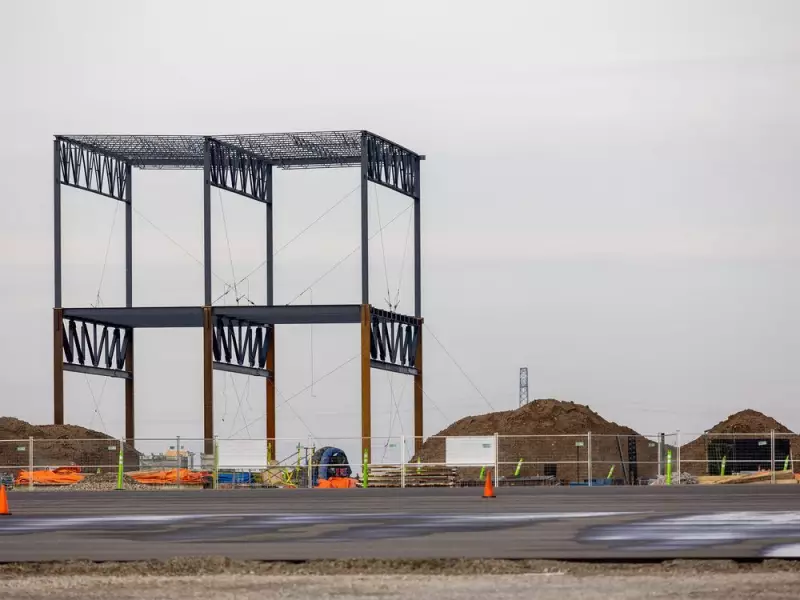
One of the most significant wins is the continued progress on Volkswagen's massive electric-vehicle battery plant in St. Thomas. Operated by its subsidiary PowerCo, the $7-billion project, first announced in 2023, has moved into the construction phase. This is a notable achievement given the challenging climate, which includes U.S.-imposed tariffs and reduced consumer incentives for electric vehicles on both sides of the border.

Greig Mordue, a former auto executive and now a professor at McMaster University's Booth School of Engineering Practice and Technology, admitted to initial skepticism. "I had been in the camp where I was waiting for PowerCo to say, 'We're not going to be able to proceed,'" Mordue said. The fact that construction began in 2025 and is targeting a 2027 completion is a "massive victory" for the London region. The plant is slated to become Canada's largest factory and is projected to employ approximately 3,000 people directly, with thousands more spinoff jobs anticipated.
Supply Chain Investments Follow the Leader
The PowerCo facility's impact is already catalyzing further investment in the local supply chain. In a clear demonstration of this ripple effect, the Norwegian company Vianode announced in 2025 its own plans for a $3.2-billion factory in St. Thomas.
This plant will produce synthetic graphite, a critical component in EV battery production. Vianode expects to initially employ about 300 workers when production commences in 2028, with the potential for the workforce to expand to as many as 1,000 as operations scale up.
Resilience in a Time of Transition
These investments, totaling over $10 billion, represent a powerful vote of confidence in Southwestern Ontario's industrial ecosystem during a period of global transition. While the sector faces undeniable headwinds from policy shifts and market fluctuations, the commitment from giants like Volkswagen and specialized firms like Vianode highlights the region's strategic advantages.
The combination of a skilled labor force, established manufacturing infrastructure, and proximity to major markets continues to attract capital focused on the future of mobility. As Mordue observed regarding the PowerCo project, "I kept waiting for the shoe to drop, but the shoe never dropped. So good on them … they have continued their commitment and they are not going away." These developments suggest that for Southwestern Ontario's auto belt, the path forward, though turbulent, is being actively built.