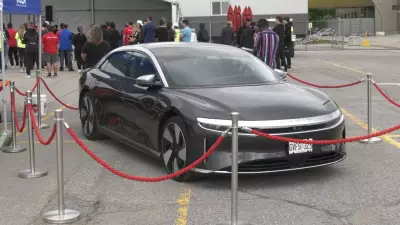
Alphabet's autonomous vehicle unit, Waymo, has announced a voluntary software recall for its fleet of self-driving cars. The decision, made public on December 5, 2025, comes in response to incidents where its autonomous vehicles were observed driving past stopped school buses.
The Safety Trigger for the Recall
The recall is a direct reaction to specific events where Waymo's driverless vehicles failed to properly recognize and respond to the extended stop arms and flashing lights of school buses. This constitutes a significant safety protocol violation, as traffic laws across North America universally require all vehicles to stop when a school bus is loading or unloading children.
While the exact number of vehicles involved in the recall was not detailed in the initial report, the action underscores a critical challenge for autonomous driving systems: reliably interpreting complex and safety-critical real-world scenarios. The company confirmed the recall involves an update to its self-driving software stack to address this specific failure mode.

Implications for Autonomous Vehicle Trust
This proactive move by Waymo highlights the heightened regulatory and public scrutiny facing the self-driving car industry. A recall related to child safety is particularly sensitive and can impact public perception of the technology's readiness. Waymo, which operates commercial robotaxi services in several U.S. cities, has positioned the recall as a demonstration of its commitment to safety and continuous improvement.
The incident serves as a reminder that even advanced artificial intelligence systems must be meticulously trained and validated for edge cases. Interacting with school buses, which have unique and highly regulated signaling systems, represents one such critical scenario that requires flawless performance.
What Happens Next?
The recall process will involve deploying updated software to all affected vehicles in Waymo's fleet. This is typically done over-the-air, similar to updates on modern consumer vehicles, meaning the physical vehicles do not need to be taken to a service center. The company will be required to work with safety regulators to document the issue and the corrective action.
Industry analysts suggest this event will likely prompt other autonomous vehicle developers to re-examine and reinforce their own systems' training for school bus interactions. It also emphasizes the importance of robust simulation and real-world testing for rare but high-consequence traffic situations.
As autonomous vehicle technology continues to evolve, safety-focused recalls like this one are expected to be part of the development landscape, balancing rapid innovation with the imperative of protecting all road users, especially children.