In a significant shift for the global automotive industry, Tesla Inc. has been overtaken as the world's leading seller of electric vehicles. The American automaker reported a decline in deliveries for the second consecutive year, allowing Chinese rival BYD to seize the top position.
A Stunning Reversal in the EV Race
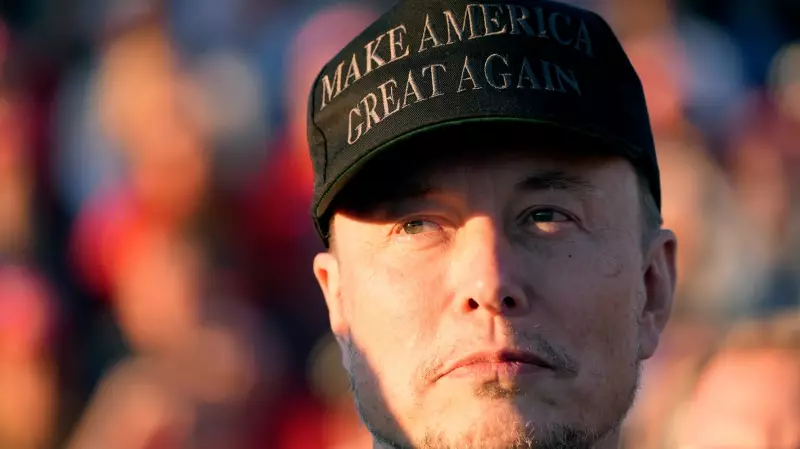
Tesla delivered 1.64 million vehicles in 2025, a decrease of 9% from the previous year. This downturn enabled BYD, which sold 2.26 million vehicles last year, to claim the title of the biggest electric vehicle manufacturer globally. The change marks a dramatic turn for Tesla, a company whose rapid ascent once seemed unstoppable and which played a pivotal role in making CEO Elon Musk the world's richest person.
The company's fourth-quarter performance was particularly weak, with sales totalling 418,227 vehicles. This figure fell short of the already reduced analyst target of 440,000, as polled by FactSet. A key factor in the sales slump was the expiration of a crucial $7,500 U.S. federal tax credit for EV purchases, which was phased out by the Trump administration at the end of September 2025.

Investor Focus Shifts to Musk's Future Vision
Despite the disappointing sales numbers, Tesla's stock finished 2025 with a gain of approximately 11%. Investors appear to be betting heavily on CEO Elon Musk's ambitious plans to pivot the company towards new technologies, rather than traditional car sales. Musk has consistently stated that Tesla's future lies in its driverless robotaxi service, its energy storage division, and the development of humanoid robots for home and industrial use.
This optimism persists even as Tesla faces multiple challenges. The stock was down nearly 2% at $441.15 in early afternoon trading following the sales announcement. For the upcoming fourth-quarter earnings report in late January, analysts anticipate a 3% drop in sales and a nearly 40% decline in earnings per share.
New Models and Mounting Challenges
In an effort to revive demand, Musk unveiled stripped-down, more affordable versions of the Model Y and Model 3 in early October. The new Model Y is priced just under $40,000, while the cheaper Model 3 starts under $37,000. These models are intended to help Tesla compete with more affordable Chinese EVs in markets like Europe and Asia.
However, the path forward is fraught with regulatory and competitive hurdles. Tesla began rolling out its robotaxi service in Austin earlier this year, initially with safety monitors in the vehicles. It now faces the formidable challenge of competing with Waymo, which has operated autonomous taxis for years and boasts a larger customer base.
The company is under several federal safety investigations and other probes. In California, Tesla risks temporarily losing its license to sell cars after a judge ruled it misled customers about vehicle safety. "Regulatory is going to be a big issue," noted Wedbush Securities analyst Dan Ives. "We're dealing with people's lives."
Musk remains bullish on autonomy, hoping software updates will enable hundreds of thousands of Teslas to operate fully autonomously by the end of this year. The company also plans to start production of its AI-powered, steering-wheel-free Cybercab in 2026.
To keep Musk focused on Tesla, the board awarded him a potentially enormous new pay package, which shareholders approved in November. Musk also recently regained a separate $55 billion compensation package from 2018 after the Delaware Supreme Court reversed a prior decision. His wealth could surge further with the anticipated blockbuster IPO of his rocket company, SpaceX, potentially making him the world's first trillionaire.