Major League Baseball owners have proposed implementing a salary cap for the first time since the 1994-95 strike, a move that could dramatically alter the financial dynamics of the sport. The proposal was confirmed by multiple sources familiar with the negotiations, marking a significant shift in the league's stance on player compensation.
Historical Context
The last time MLB owners pushed for a salary cap was during the contentious 1994-95 strike, which led to the cancellation of the World Series. That dispute centered on owners' demands for a cap to control escalating player salaries, a proposal that was ultimately rejected by the players' union. The new proposal comes amid ongoing collective bargaining discussions, with the current labor agreement set to expire after the 2026 season.
Details of the Proposal
According to league insiders, the proposed salary cap would be set at a yet-to-be-determined percentage of league revenue, similar to structures used in the NFL, NBA, and NHL. Owners argue that a cap would promote competitive balance by preventing large-market teams from outspending smaller-market franchises. However, the MLB Players Association has historically opposed any form of salary cap, viewing it as a restriction on player earnings.

The proposal also includes a luxury tax threshold adjustment, which would penalize teams that exceed the cap. This mechanism is designed to discourage excessive spending while allowing flexibility for high-revenue clubs.
Reactions and Implications
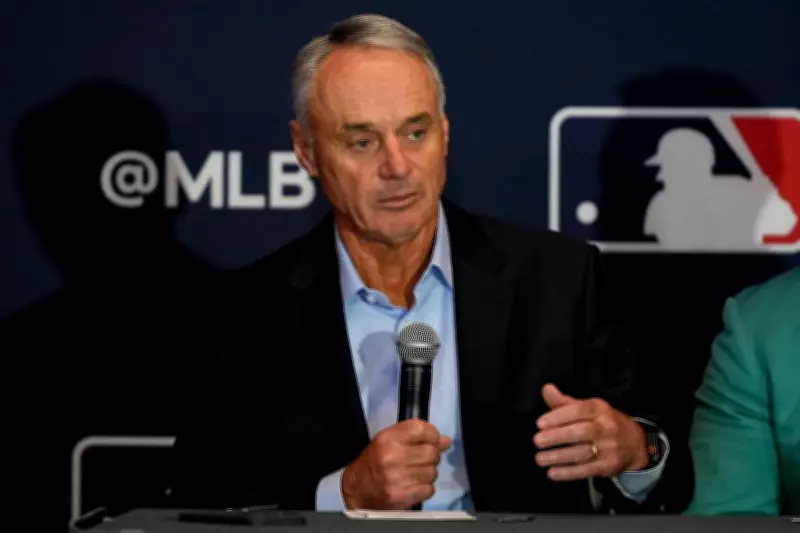
Commissioner Rob Manfred declined to comment on the specifics of the proposal, but emphasized the league's commitment to finding a fair solution. “We are engaged in productive discussions with the players’ association, and we remain optimistic about reaching an agreement that benefits all parties,” Manfred said in a statement.
Players’ union head Tony Clark expressed skepticism, noting that the union would not accept any proposal that limits player salaries. “Our members have fought hard for the right to earn market value, and we will not compromise on that principle,” Clark said.
If implemented, the salary cap would represent the most significant change to MLB’s economic structure since free agency was introduced in the 1970s. It could also impact player contracts, team payrolls, and the competitive landscape of the league.
Looking Ahead
Negotiations are expected to intensify in the coming months, with both sides aware of the potential for a work stoppage. The 1994-95 strike lasted 232 days and caused billions in lost revenue. Analysts warn that a similar outcome could damage the sport’s popularity and financial health.
As the debate unfolds, fans and stakeholders alike will be watching closely to see whether MLB can avoid another labor dispute while modernizing its economic model.