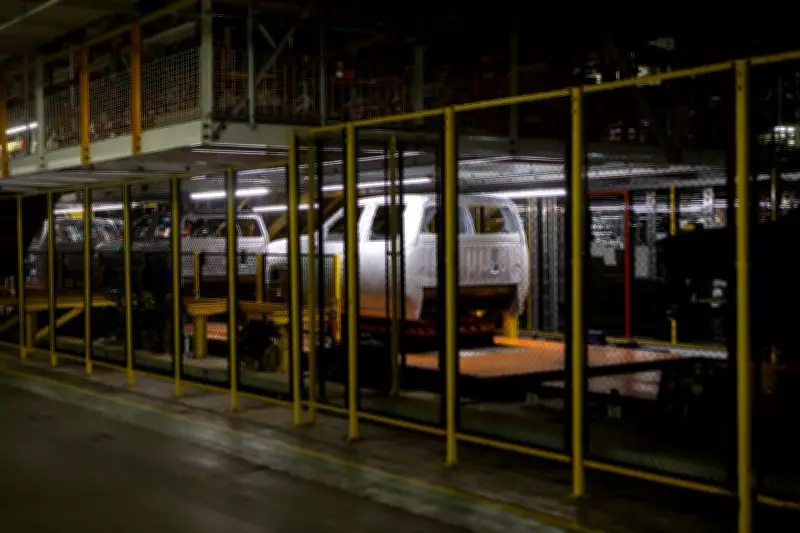
General Motors Announces Major Workforce Reduction at Oshawa Assembly Plant
In a significant blow to Ontario's automotive sector, General Motors (GM) has confirmed the elimination of the third shift at its Oshawa assembly plant, leading to the loss of approximately 1,000 jobs. This decision, announced on January 29, 2026, marks a substantial downsizing for the facility, which has been a cornerstone of the region's manufacturing landscape for decades.
Unifor Union Voices Strong Opposition to GM's Decision
The Unifor union, representing the affected workers, has expressed deep concern and disappointment over the move. Union officials highlight the devastating impact on employees and their families, many of whom have dedicated years to the plant. This cutback is expected to ripple through the local economy, affecting suppliers and service industries that rely on the plant's operations.
Unifor is calling for immediate discussions with GM management to explore alternatives, such as retraining programs or potential reassignments, to mitigate the job losses. The union emphasizes the need for corporate responsibility in supporting the workforce during this transition period.

Context and Implications for the Automotive Industry
The Oshawa plant, historically known for producing models like the Chevrolet Silverado, has faced ongoing challenges in recent years, including shifts in consumer demand and global supply chain disruptions. This latest reduction reflects broader trends in the automotive industry, where companies are adjusting production schedules in response to market fluctuations and technological advancements.
Analysts suggest that such moves may be part of a larger strategy by GM to optimize operations amid economic uncertainties. However, the human cost remains a critical issue, with communities in the Greater Toronto Area and Durham Region likely to feel the effects through reduced employment opportunities and economic activity.
As the situation develops, stakeholders are urging for collaborative solutions to support displaced workers and maintain Ontario's competitive edge in manufacturing. The outcome of this restructuring could set a precedent for how similar challenges are addressed across Canada's industrial sectors.