Navigating Canada's Winter Roads: Essential Safety Advice from Consumer Reports
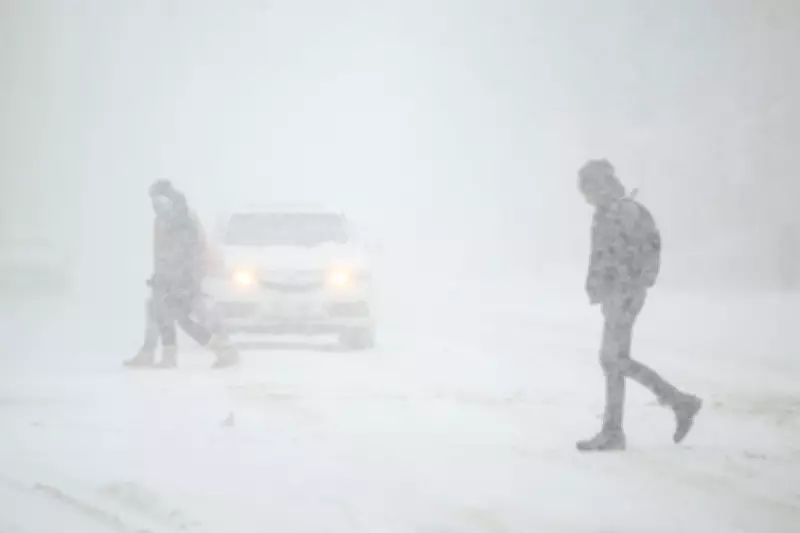
As winter tightens its grip across Canada, with recent heavy snowfall in cities like Toronto highlighting seasonal hazards, safe driving becomes paramount. Consumer Reports, a trusted authority in product testing and consumer advice, has released a comprehensive set of winter driving tips tailored for Canadian conditions. These recommendations aim to help drivers prepare their vehicles and adapt their habits to ensure safety on icy, snow-covered roads.
Vehicle Preparation: The Foundation of Winter Safety
Proper vehicle maintenance is the first critical step. Consumer Reports emphasizes the importance of winter tires, which provide significantly better traction in cold temperatures compared to all-season tires. Experts advise checking tire tread depth and inflation regularly, as cold air can cause pressure to drop. Additionally, ensure your battery is in good condition, as cold weather reduces its capacity. A pre-winter inspection should include testing the charging system, brakes, lights, and windshield wipers. Keeping your gas tank at least half full prevents fuel line freeze-up and ensures you have enough fuel if stranded.
Driving Techniques for Hazardous Conditions
Adjusting your driving behavior is crucial when facing snow, ice, or freezing rain. Consumer Reports recommends slowing down and increasing following distances to at least eight to ten seconds behind other vehicles. Avoid sudden movements with steering, braking, or acceleration to maintain control. Use gentle, steady pressure on the brakes, and if your vehicle has anti-lock brakes, apply firm pressure without pumping. In slippery conditions, consider using lower gears for better control, especially on hills. Always clear all snow and ice from windows, mirrors, lights, and the roof before driving to maintain visibility and prevent hazards to other drivers.

Emergency Preparedness and Kit Essentials
Being ready for unexpected breakdowns or accidents can be lifesaving. Consumer Reports suggests assembling a winter emergency kit to keep in your vehicle. This should include items such as a shovel, ice scraper, sand or cat litter for traction, jumper cables, a flashlight with extra batteries, blankets, warm clothing, non-perishable food, water, and a first-aid kit. It's also wise to carry a fully charged phone and a portable charger. If you become stranded, stay with your vehicle, run the engine sparingly for heat while ensuring the exhaust pipe is clear to prevent carbon monoxide poisoning, and use hazard lights to signal for help.
Additional Considerations for Canadian Drivers
Given Canada's diverse climate, from the Arctic cold to coastal rain, adapting to local conditions is key. In regions like Alberta, where freezing rain is common, extra caution is needed due to black ice. Urban areas may face challenges with snow removal budgets, as seen in Windsor's recent cuts, making defensive driving even more important. Consumer Reports also highlights the value of practicing winter driving in an empty parking lot to get a feel for how your vehicle handles in slippery conditions. Regularly checking weather forecasts and road conditions before trips can help avoid dangerous situations altogether.
By following these expert tips from Consumer Reports, Canadian drivers can enhance their safety and confidence during the winter months. Proper preparation, cautious driving, and emergency readiness are essential strategies to navigate the season's challenges effectively.