Chinese Ambassador Advocates for Electric Vehicles to Spur Canadian Employment and Lower Car Costs
In a significant diplomatic and economic overture, the Chinese ambassador to Canada has positioned new electric vehicles (EVs) as a pivotal first step toward generating fresh employment opportunities and making cars more affordable for Canadians. This pitch comes at a time of heightened global competition in the automotive sector and ongoing trade discussions between the two nations.
EVs as a Gateway to Economic Growth
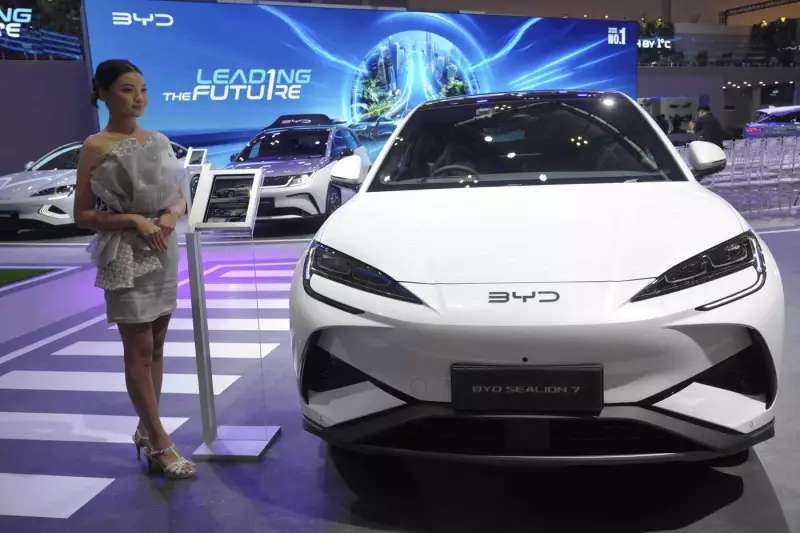
The ambassador emphasized that the introduction of advanced Chinese EVs, such as models from manufacturers like BYD, could catalyze job creation in Canada. This could span various sectors, including sales, maintenance, and potentially local assembly or manufacturing partnerships, aligning with Canada's green economy goals. The argument hinges on the idea that increased access to competitively priced electric vehicles would not only reduce transportation costs for consumers but also stimulate related industries, from charging infrastructure to renewable energy integration.
Broader Context of International Relations
This proposal unfolds against a backdrop of complex international dynamics. Notably, it contrasts with recent political developments, such as the disinvitation of Canada from the Board of Peace by former U.S. President Trump, as highlighted in an open letter. Additionally, the ambassador cast doubt on claims that Beijing agreed to visa-free entry for Canadians, underscoring the nuanced state of Sino-Canadian relations. These elements add layers to the economic discussion, suggesting that automotive trade could be a focal point for diplomatic engagement or tension.

Potential Impacts on the Canadian Automotive Landscape
If embraced, the influx of Chinese EVs could disrupt the current market, dominated by traditional North American and European brands. This might lead to:
- Increased competition, potentially driving down prices and accelerating innovation in EV technology.
- New job opportunities in sectors like retail, service, and possibly manufacturing, though this would depend on the scale of adoption and any local production agreements.
- Challenges for domestic automakers, who may face pressure to adapt quickly to maintain market share.
The ambassador's pitch also ties into broader environmental and economic trends, such as Canada's push for electric vehicle adoption to meet climate targets and reduce reliance on fossil fuels. By framing EVs as a tool for both affordability and employment, the message resonates with current policy priorities around sustainable development and economic resilience.
Looking Ahead: Opportunities and Considerations
As Canada navigates this proposition, key factors will include regulatory approvals, consumer acceptance, and the potential for technology transfer or joint ventures. The success of such initiatives could hinge on balancing economic benefits with concerns over supply chain dependencies and geopolitical risks. Ultimately, the ambassador's advocacy highlights the evolving role of electric vehicles not just as transportation solutions, but as drivers of economic transformation in an increasingly interconnected global market.