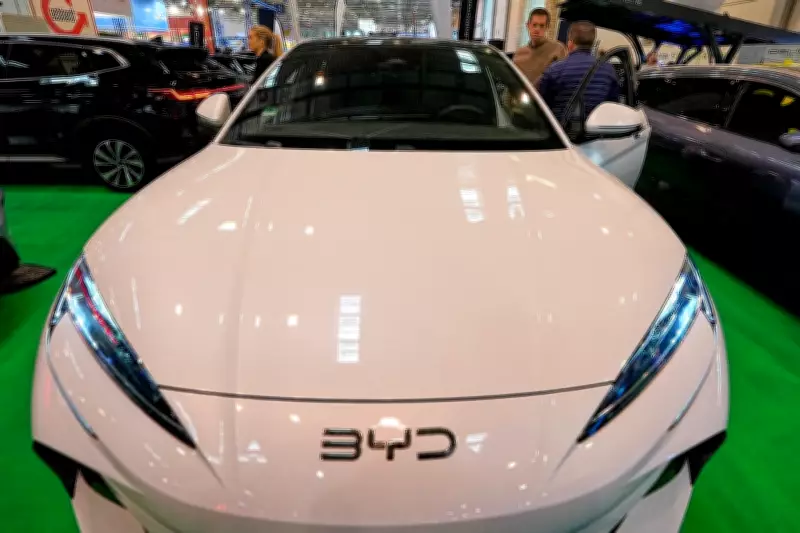
Canadians Show Support for Increased Chinese EV Imports, New Survey Reveals
A recent poll suggests that a significant portion of the Canadian public is in favor of welcoming more electric vehicles from Chinese manufacturers into the national market. This sentiment emerges as the country's automotive sector navigates a period of profound transition and economic uncertainty.
Public Opinion Reflects Shifting Automotive Landscape
The survey data indicates that many Canadians view the arrival of competitively priced Chinese EVs, such as those from brands like BYD, as a potential benefit for consumers seeking affordable zero-emission transportation options. This openness comes despite ongoing geopolitical tensions and debates surrounding international trade practices.
This public perspective aligns with broader global trends in the electric vehicle market, where Chinese automakers have gained substantial market share by offering advanced technology at lower price points. The Canadian automotive retail environment is increasingly becoming a battleground for international EV manufacturers.

Context of Domestic Economic and Industrial Challenges
The poll results are published against a backdrop of significant challenges within Canada's own economy and manufacturing base. Recent economic analyses have suggested the country may be entering a recessionary period, described by some experts as being "on life support."
Simultaneously, the traditional Canadian auto manufacturing sector, particularly in regions like Windsor-Essex, is at a critical juncture. As domestic vehicle production declines, communities historically reliant on automotive jobs are confronting difficult decisions about their economic futures in an era of electrification and global competition.
Broader Implications for Policy and Industry
The apparent public support for more Chinese EV imports presents complex considerations for policymakers. Government officials must balance consumer interests, environmental goals under climate change initiatives, and the protection of domestic industries and jobs.
This development occurs alongside other significant national conversations, including debates about online harms legislation, public service job cuts, and various provincial issues ranging from healthcare evacuations in Kashechewan to infrastructure challenges in cities like London and Barrie.
The automotive sector's evolution remains a key component of Canada's economic and environmental strategy, making consumer attitudes on vehicle imports a relevant factor in shaping future industrial and trade policies.