Canadian Auto Industry Seeks Clarity Amid Rising Chinese EV Imports
As Chinese electric vehicle imports begin to make their presence felt in the Canadian market, industry leaders are calling for greater clarity from the federal government regarding its vision for the domestic automotive sector. David Adams, president and chief executive of Global Automakers of Canada, has highlighted the pressing need for a coherent strategy as Prime Minister Mark Carney's administration pursues a new strategic partnership with China.
Industry Calls for Strategic Direction
Adams emphasizes that the Canadian auto industry requires a well-defined framework to navigate the evolving landscape shaped by increasing Chinese EV imports. The partnership with China presents both opportunities and challenges, making it essential for policymakers to articulate clear objectives and support mechanisms for domestic manufacturers and workers.
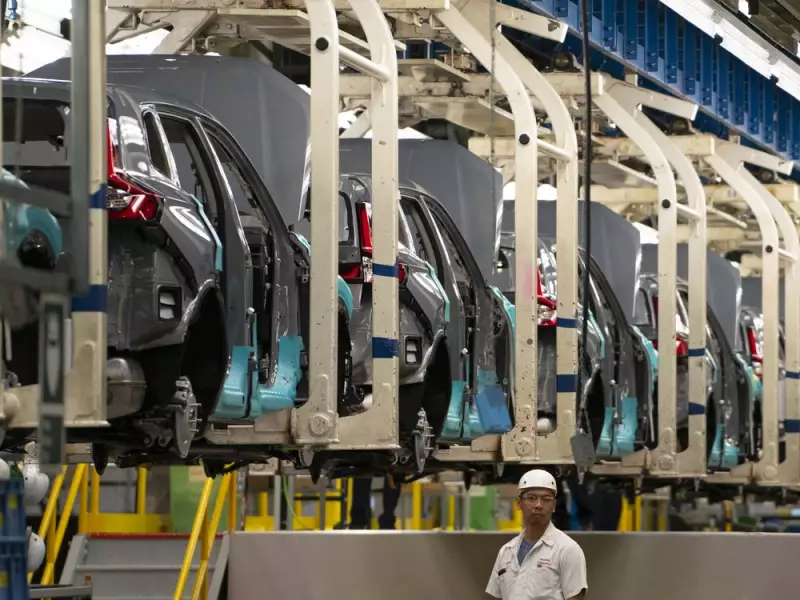
The impact of these imports extends beyond mere market competition; it touches on supply chain dynamics, employment in automotive hubs like Alliston, Ontario, and Canada's broader economic and environmental goals. Without a transparent strategy, the industry risks uncertainty that could hinder investment and innovation.

Balancing Partnerships and Domestic Interests
The dialogue around Chinese EV imports is not just about trade but about shaping Canada's automotive future. Adams points out that while international partnerships can foster technological exchange and market access, they must align with domestic priorities such as job retention, sustainable manufacturing practices, and competitive positioning in the global EV market.
This situation underscores the importance of collaborative policymaking, where industry stakeholders provide input to ensure that government actions bolster rather than undermine the sector's resilience. The call for clarity is a proactive step toward safeguarding Canada's automotive heritage while embracing the transition to electric mobility.
Looking Ahead: Implications for Canada's Auto Sector
As discussions continue, several key areas demand attention:
- Regulatory alignment to ensure fair competition and safety standards.
- Investment in domestic EV production to maintain Canada's manufacturing edge.
- Workforce development programs to equip autoworkers with skills for the electric era.
- Environmental considerations to align imports with Canada's climate objectives.
Adams' remarks serve as a timely reminder that strategic foresight is crucial. By addressing these issues head-on, Canada can harness the potential of Chinese EV imports to drive innovation and growth, rather than allowing them to disrupt an industry vital to the national economy.