Canada and South Korea Sign Memorandum to Boost Automotive and Battery Manufacturing Cooperation
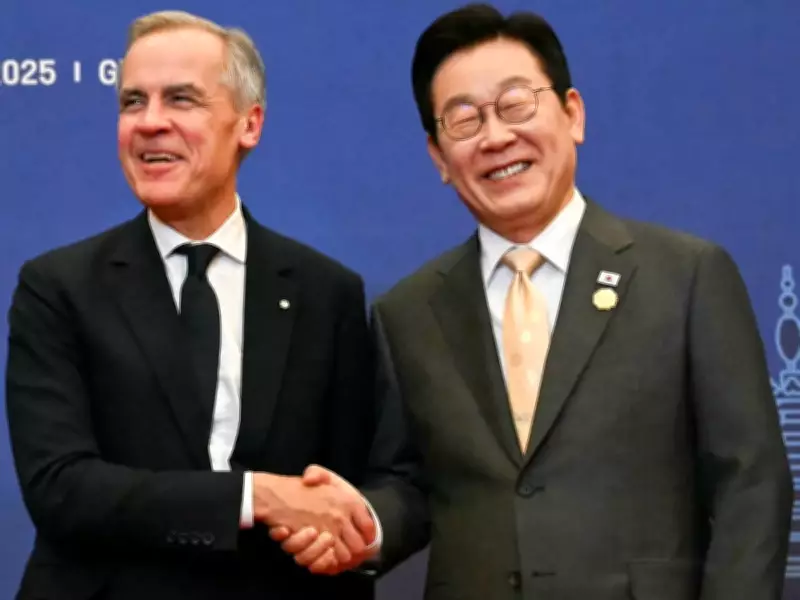
Canada has entered into a significant memorandum of understanding (MOU) with South Korea, aimed at strengthening industrial collaboration between the two nations. The agreement specifically targets potential investments in automobile and battery manufacturing within Canada, marking a strategic move to enhance the country's automotive sector.
Strengthening Canada's Automotive Industry Through International Partnership
The MOU arrives at a critical juncture for Canada's automotive manufacturing sector, which faces multiple challenges including United States tariffs, a slowdown in electric vehicle sales, and increasing competition from Chinese automakers. Auto executives, labor representatives, and policymakers have been actively seeking solutions to stabilize and revitalize this vital industry.
International Trade Minister Maninder Sidhu emphasized the importance of this collaboration in a recent statement, noting that "Our automotive industry contributes $16.8 billion to Canada's gross domestic product and supports more than 550,000 jobs." He further explained that "deeper industrial collaboration will help keep the sector competitive as advancements in electric vehicle and battery technologies continue to accelerate."

South Korea's Growing Presence in the Canadian Market
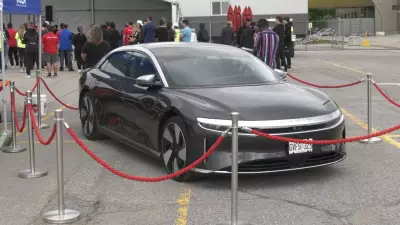
South Korean automakers have established a substantial foothold in the Canadian market, selling approximately 228,000 vehicles in 2024. This represents about 12 percent of the total market share, with companies like Hyundai Motor Co. and Kia Corp. significantly increasing their presence over the past decade. Despite this market penetration, these major automakers currently do not manufacture any vehicles within Canada.
The press release detailing the MOU specifically mentions an "intention to cooperate on advancing a Korean automotive industrial footprint in Canada," suggesting potential future manufacturing investments by South Korean companies in Canadian facilities.
Existing South Korean Investments in Canada's Battery Supply Chain
While South Korean automakers haven't established vehicle manufacturing plants in Canada, several Korean companies have already invested in the country's emerging battery and electric vehicle supply chain. South Korea produced four million vehicles in 2024, more than double Canada's production, demonstrating their significant automotive manufacturing capacity.
One notable example is Nextstar Energy Ltd., which constructed Canada's first major battery plant in Windsor, Ontario. This 4.23-million-square-foot complex is majority-owned by South Korea's LG Energy Solution Ltd. and began commercial production last year. Currently, the facility has shifted its focus to producing batteries for energy storage while awaiting increased electric vehicle demand.
Additional South Korean companies have also made investments in Canada's battery supply chain, indicating a growing interest in the country's clean energy infrastructure.
Addressing Market Access Concerns and Broader Economic Ties
The MOU comes amid questions from some auto-sector professionals about why South Korean automakers enjoy duty-free access to the Canadian market without establishing manufacturing operations in the country. This concern has grown as other automakers with Canadian manufacturing presence have scaled back operations through plant closures, shift eliminations, and delayed investments.
The recent agreement demonstrates that Canadian policymakers are actively engaging with South Korean officials to address these concerns and explore opportunities for increased manufacturing investment in Canada.
Beyond Automotive: Comprehensive Bilateral Relations
The automotive MOU represents just one aspect of the broader economic relationship between Canada and South Korea. The two countries established a free-trade agreement in 2015, and bilateral merchandise trade reached $24.5 billion in 2024, extending far beyond the automotive sector.

In a related development, South Korea is competing with Germany for a multibillion-dollar contract to supply Canada with twelve submarines. As part of these efforts, a delegation of South Korean government officials and company executives, including representatives from Hyundai, visited Ontario this week to meet with Canadian cabinet officials and local industry players.
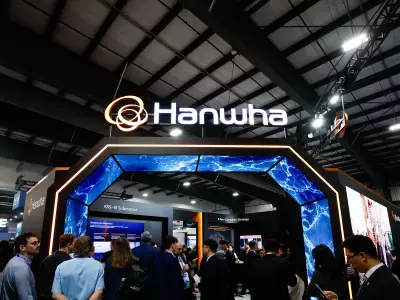
During this visit, Hanwha Ocean Co. Ltd. signed a separate MOU with Sault Ste. Marie-based Algoma Steel Group Inc. This agreement commits Hanwha to purchase US$50-million worth of steel for potential use in submarines and provides US$250 million in cash to Algoma for a new steel beam mill. In exchange, Hanwha would receive three percent of the facility's net sales revenue for ten years, contingent upon winning the submarine contract with Canada.
These developments underscore the multifaceted nature of Canada-South Korea economic relations, spanning automotive manufacturing, defense procurement, and industrial supply chains.