Canada Engages in High-Level Talks with South Korea on Auto Manufacturing Expansion
High-level diplomatic and trade discussions are currently taking place between the Canadian federal government and South Korea, with a primary focus on attracting significant automotive manufacturing investment to Canada. According to informed sources familiar with the negotiations, the talks aim to establish new production facilities, which would represent a major boost for the domestic auto sector and create substantial economic opportunities.
Strategic Bilateral Engagement Paves the Way
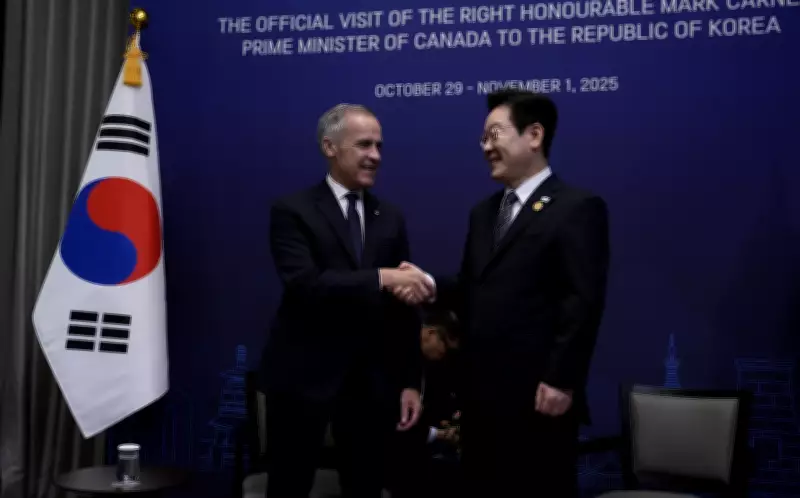
The negotiations follow a series of strategic bilateral meetings between senior officials from both nations. Notably, Prime Minister Mark Carney met with South Korean President Lee Jae Myung in Gyeongju, South Korea, in late October 2025, setting the stage for deeper economic cooperation. These high-level engagements are seen as crucial for aligning industrial policies and investment frameworks to facilitate a potential agreement.
The proposed manufacturing partnership is viewed as a strategic move to strengthen Canada's position in the global automotive supply chain. South Korea is home to several world-leading automobile manufacturers, and securing their investment would not only bring capital but also advanced technology and expertise to Canadian soil. This initiative aligns with broader federal goals to enhance the country's manufacturing base and create high-value jobs in a competitive industry.

Potential Impacts on the Canadian Automotive Landscape
If successful, the talks could lead to the establishment of new assembly plants or component manufacturing facilities in Canada. This development would have several significant implications:
- Job Creation: The automotive sector is a major employer, and new facilities would generate thousands of direct and indirect jobs in manufacturing, engineering, and logistics.
- Economic Growth: Increased foreign direct investment would stimulate local economies, particularly in regions selected for development, and contribute to national GDP growth.
- Technological Advancement: Collaboration with South Korean firms could accelerate the adoption of innovative manufacturing processes and electric vehicle technologies in Canada.
- Supply Chain Resilience: Expanding domestic production capacity would enhance the robustness of North America's automotive supply chain, reducing reliance on overseas imports.
The discussions are reportedly complex, involving considerations related to trade agreements, regulatory standards, workforce training, and potential government incentives. Both parties are said to be working diligently to address these details, with the aim of reaching a mutually beneficial arrangement that supports long-term industrial growth.
A Broader Context of International Trade and Industry
This initiative occurs within a dynamic global trade environment, where nations are actively competing for major industrial investments. Canada's competitive advantages, including its skilled workforce, stable political climate, and access to the North American market through trade agreements like the USMCA, make it an attractive destination for foreign manufacturers seeking to diversify their production bases.
While the sources caution that negotiations are ongoing and no final agreement has been reached, the mere fact that such high-level talks are taking place underscores the serious intent of both governments. The potential partnership represents a significant opportunity to reinvigorate Canada's automotive manufacturing sector, which has faced challenges in recent years due to global economic shifts and technological transitions.
Stakeholders across the industry, from labor unions to local business communities, will be closely monitoring the progress of these discussions. The outcome could shape the future trajectory of automotive manufacturing in Canada for decades to come, positioning the country as a key player in the next generation of vehicle production.