In a significant move for preventive healthcare, the province of Manitoba has officially lowered the age at which individuals can self-refer for breast cancer screening. The change, celebrated by patient advocates, aims to improve early detection rates across the province.
A Victory for Patient Advocacy
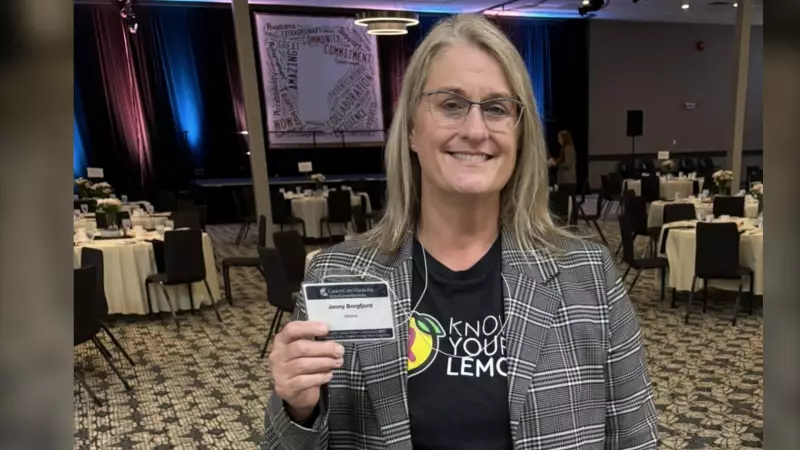
The policy shift comes after sustained efforts from breast cancer screening advocates, including Jenny Borgfjord. Borgfjord, a prominent voice on the issue, has publicly celebrated the decision, which empowers more people to take proactive control of their health without needing a doctor's referral to access a mammogram. This change directly addresses barriers in the healthcare system that can delay crucial preventative checks.
Details of the New Screening Policy
While the original announcement was made on December 24, 2025, the core detail is the reduction in the eligible age for self-referral. By lowering the threshold, Manitoba brings its policy in line with evolving medical guidelines that emphasize earlier screening for certain risk profiles. The move is expected to streamline the process, allowing individuals to book a screening mammogram directly through the provincial program upon reaching the new eligible age.

Early detection through regular mammograms is a cornerstone of improving breast cancer outcomes. Simplifying access is a critical step in ensuring more Manitobans can benefit from this life-saving service. The policy update reflects a growing understanding that reducing administrative hurdles can lead to higher participation rates in screening programs.
Implications for Public Health in Manitoba
This proactive step by Manitoba's health authorities is anticipated to have a positive long-term impact on public health. Easier access to screening means potential cancers can be identified at earlier, more treatable stages. For many, this can mean less aggressive treatment and a significantly better prognosis.
The decision underscores a commitment to patient-centered care, acknowledging that individuals should have a direct pathway to vital preventative services. It is a concrete example of how advocacy and public health policy can intersect to create meaningful change for residents of Winnipeg and all communities across Manitoba.