Physical Therapist-Recommended Products for Sciatica and Lower Back Pain Relief
If you suffer from the discomfort of sciatica, you are certainly not alone. Statistics indicate that up to 40% of individuals in the United States will experience this condition at some stage in their lives. Characterized by irritation of the sciatic nerve in the lower back or lumbar spine region, sciatica typically manifests as a deep, throbbing pain that radiates from the back or buttocks, according to physical therapist Chris DeRosa.
DeRosa, who co-owns Davis and DeRosa Physical Therapy based in Los Angeles and specializes in lower back pain and sciatica, among other issues, notes that this pain often extends down the leg and can travel as far as the toes. It may also be accompanied by sensations of numbness or tingling.
He explains that because these symptoms are usually muscular in origin, though not always, targeted exercises and physical therapy can be immensely beneficial in improving sciatica and even resolving it completely. "Sciatica is 100% treatable in most cases, and your physical therapist is your best line of defense," DeRosa emphasized. "This is especially true when symptoms first arise."

DeRosa recommends several pieces of equipment that, when used in conjunction with proper exercises, can help alleviate pain from sciatica. However, it is crucial to consult with a physical therapist or doctor before using any of these tools to ensure they are appropriate for your specific condition.
Supportive Lower Back Brace
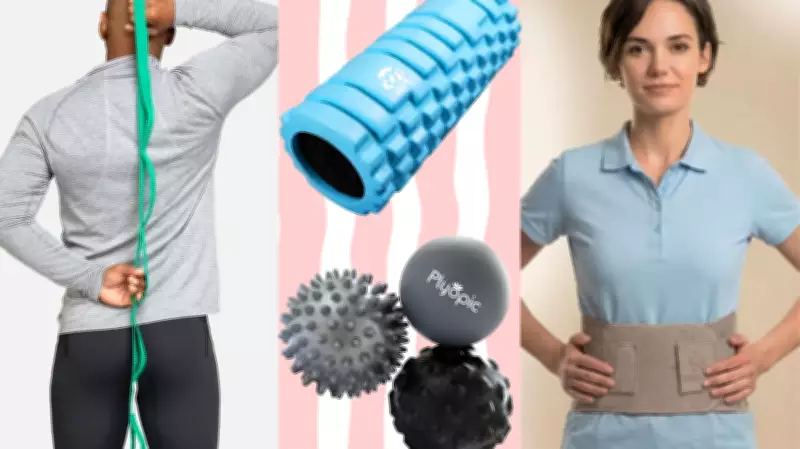
DeRosa suggests a supportive lower back brace, which has garnered an impressive 40,000 five-star ratings. This popular back support belt is designed to soothe lower back pain through firm yet comfortable support. Made with breathable, flexible mesh, it stabilizes the back while allowing for natural movement. It also features a removable lumbar pad for days when additional stability and targeted compression are needed.
Reviewers appreciate that the brace is subtle enough to wear under clothing, avoiding the bulkiness common in other models. Available in three colors and sizes ranging from XS to XXXL, it offers a versatile solution for pain management.
Gentle Stretching with a Nylon Strap Tool
For patients clinically diagnosed with muscular symptoms of sciatica, DeRosa points to the piriformis muscle, often humorously referred to as the "pain in butt muscle," as a common culprit. He advises that self-massage using tools like foam rollers or massage guns, followed by gentle stretching, can be part of a recovery prescription.
He recommends a six-foot Stretch Out Strap for gently stretching the legs and upper and lower body. This tool is designed with 10 loops that provide greater control during stretches and can serve as comfortable, grippy handholds. It comes with a stretching exercise booklet and access to a video stretching guide, making it an excellent resource for at-home therapy.
Budget-Friendly Foam Roller
DeRosa also endorses a foam roller from Healthy You for gentle stretching and self-massaging. Constructed from medium-firm foam that is dense, durable, and slightly soft to the touch, this roller is available in three sizes. DeRosa recommends the largest size, which is 36 inches long, for optimal effectiveness.
Specialized Deep-Massage Tools
In addition, DeRosa suggests a trio of massage balls for massaging the gluteal area. This rubber set includes a textured ball for targeting trigger points, a spiky ball for more intense tension relief, and a firm, smooth ball for precise muscle massage. Designed to address muscle pain across the body, these tools offer a comprehensive approach to self-care.
Textured Massage Roller
Following DeRosa's advice to invest in a foam roller, a textured massage roller is highlighted as a good option for those seeking both the stretch of a roller and the precise targeting of a specialized tool. This medium-density foam roller, with 28,000 five-star ratings, features three zones: a "palm" area for light massage, a "finger" zone for tissue flushing, and a "thumb" region with projecting nodes for intense massage.

Vibration Therapy Massage Ball
DeRosa recommends the Hyperice vibrating massage ball for gently massaging the piriformis muscle in the gluteal area. Small enough to fit in your palm, this ball offers three vibration speeds to help soothe muscle stiffness and soreness, providing a high-tech solution for pain relief.
Extra-Textured Roller for Intensity
For those desiring an especially intense massage, a deep tissue roller is suggested. Its firm textured bumps are designed to deeply penetrate muscles, while the spaces in between allow for movement of soft tissue. Available in an "original" firm style and an extra-firm version, this tool has earned high praise from users for significantly reducing pain and stiffness.
Handheld Massage Gun
DeRosa also suggests the Hyperice percussion massager for targeting muscles in the gluteal region. Designed to loosen knots and soothe stiffness, this device features three speeds and two interchangeable heads. Lightweight and impressively quiet, it is a convenient option for at-home use.
Additional Home Workout Essentials for Older Adults
Beyond sciatica-specific products, DeRosa previously recommended home workout essentials for older individuals to stay limber and maintain overall health.
Resistance Bands with Handles: DeRosa explains that resistance bands with handles are a top choice due to their cost-effectiveness and varied resistance levels. He recommends a five-pack of bands for building upper and lower body strength through functional exercises like sit-to-stand movements and supported step-ups, which also help increase bone density.
Adjustable Ankle Weights: These are great for upper and lower body exercises, allowing users to adjust resistance as needed. DeRosa suggests a pair of ankle weights adjustable from one to five pounds, with comfortable straps and multiple color options.
Balance Training Resources: Since falls are a common injury risk for seniors, DeRosa emphasizes the importance of safe balance training. He recommends a specific book for getting started and notes that chair yoga can be enjoyable and effective for improving balance and overall strength.
By incorporating these physical therapist-recommended products and exercises into your routine, you can take proactive steps toward managing sciatica and enhancing your overall well-being. Always remember to seek professional guidance to tailor these recommendations to your individual needs.