The Human Eye: A Marvel of Complexity Requiring Diligent Care
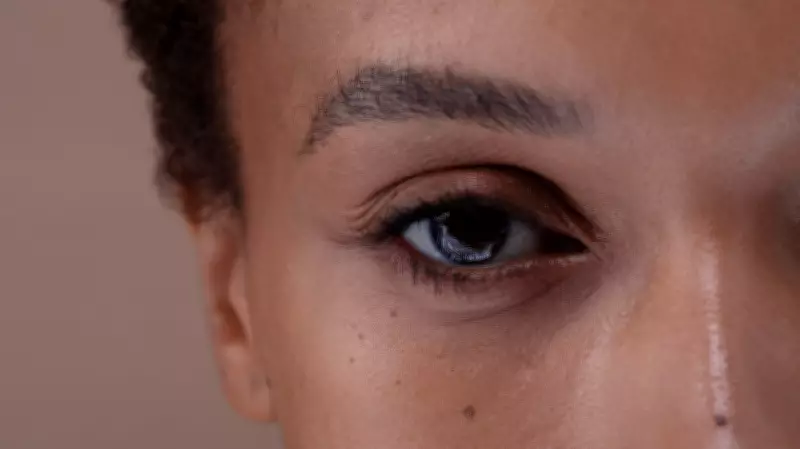
The human eye stands as one of nature's most extraordinary creations, widely regarded as the body's second most complex organ following only the brain. This remarkable structure contains over two million individual working components that enable our visual experience. Scientific research indicates that approximately eighty percent of all human learning occurs through visual processing, making eye health absolutely fundamental to our daily functioning and quality of life.
Expert Ophthalmologist Issues Critical Contact Lens Warning
Dr. Amanda Redfern, an experienced ophthalmologist and assistant professor at Oregon Health & Science University's prestigious Casey Eye Institute, recently shared crucial insights during an appearance on HuffPost's "Am I Doing It Wrong?" podcast. Her professional guidance reveals potentially dangerous habits that could compromise eye health permanently.
"Sleeping with contact lenses in your eyes is bad. It's real bad. Don't do it," Dr. Redfern emphasized with professional urgency. She clarified that this prohibition applies even to brief naps, comparing the practice to "a game of Russian roulette" with your vision at stake.

The Serious Risks of Improper Contact Lens Use
The primary danger stems from the potential development of corneal ulcers, which are serious infections occurring on the portion of the eye covered by contact lenses. "It's not going to happen every time, but when it happens, it's terrible," Dr. Redfern explained. "It can be so bad you could, in really terrible cases, lose your eyeball."
Even in less extreme scenarios, improper contact lens use can lead to permanent corneal scarring. "If that scar is in the center of your vision, that could affect your vision permanently, unless you get a corneal transplant," she cautioned.
Additional Contact Lens Precautions and Alternatives
Dr. Redfern further advised against any activities that might compromise lens sterility, including:
- Swimming in pools or natural bodies of water while wearing contacts
- Showering with contact lenses in place
- Using tap water for rinsing or storing lenses
"The problem with contact lenses is that they will sandwich bacteria between the lens and your cornea, leading to infection and all the complications we discussed," she clarified. "In general, we frown upon anything where your eye will be exposed to something nonsterile."
When presented with a hypothetical vacation scenario where someone must choose between sleeping in contacts or using tap water for storage, Dr. Redfern rejected both options. "Both of those are awful options," she stated firmly. "I'd rather you discard the contacts and just walk around a little bit blurry for the weekend."
Essential Protective Measures for Eye Health
Beyond contact lens safety, Dr. Redfern strongly advocates for regular use of protective eyewear during potentially hazardous activities. "I always wear eye protection if I'm doing a house project where I'm hammering, sawing — anything where something can fly at my eye," she shared from professional experience. "Always wear eye protection, because I actually spend half my time seeing hospital consults and the trauma that you see is just crazy."
For eye emergencies involving foreign objects, she recommends against self-removal attempts. Instead, tape a paper cup over the affected eye and seek immediate medical attention, as improper removal could cause the eye's internal contents to extrude.
Debunking Common Vision Myths
During her comprehensive discussion, Dr. Redfern also addressed several widespread misconceptions about eye health, including clarifying that reading in dim light does not cause permanent vision damage. She additionally explained the nature of eye floaters and provided guidance about when these common visual phenomena warrant professional medical evaluation.
The ophthalmologist's expert recommendations underscore the importance of proper eye care practices, protective measures, and professional consultation for maintaining optimal vision health throughout life.