Understanding the Distinct Scent of Aging
As we age, our bodies undergo numerous natural transformations. While wrinkles, hair loss, and general aches often dominate conversations about getting older, a lesser-discussed yet significant change involves our sense of smell—specifically, the unique odor associated with aging. This scent, distinct from typical body odor, is a normal part of the aging process, not linked to poor hygiene, and resistant to conventional soap and water.
The Science Behind 'Old Person Smell'
The phenomenon, commonly referred to as "old person smell," is scientifically attributed to a compound called 2-nonenal. Dermatologists explain that this odor typically emerges after age 40, as antioxidant defenses in the skin decline. The result is a mild to moderate organic or musty scent that varies from person to person.
Olfactory adaptation often prevents individuals from noticing this smell on themselves, as the gradual development allows the nose to become accustomed to it. This natural process underscores that nonenal odor is a normal aspect of aging, not necessarily unpleasant to everyone, given the subjective nature of smell.

A Potential Solution: Japanese Persimmon Soap
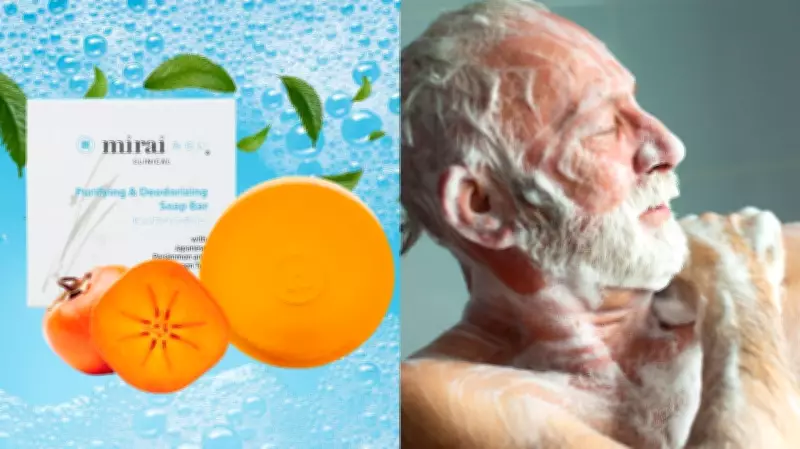
Enter the Mirai Clinical persimmon soap bar, a Japanese product gaining attention for its potential to address nonenal odors. Priced at $23 on Amazon, this soap contains a high concentration of persimmon-derived tannins, which dermatologist Dr. Naana Boakye of Bergen Dermatology notes have a plausible mechanism and long history of use, though large randomized trials are lacking.
The soap also includes green tea extract, rich in antioxidants, to provide ongoing defense. Its round, palm-sized design is delicately scented, moisturizing, and suitable for all skin types. It is recommended for use on key areas where nonenal odors commonly develop, such as the feet, underarms, back of the neck, and behind the ears.
User Experiences and Expert Insights
Amazon reviews highlight promising results. One user tested the soap behind their ears, noting the smell remained absent for two days before slightly returning on the third, calling it "remarkable." Others report effectiveness against perimenopausal-related odors and general body odors resistant to other soaps.
Despite these anecdotes, experts emphasize that nonenal odor is normal and not inherently unpleasant. However, for those concerned, this soap offers a targeted option. The founder of Mirai even appeared on "Shark Tank" last year, adding to its visibility.
Broader Context: Dermatologist-Recommended Soaps
While the Mirai soap is popular, dermatologists recommend various bar soaps for different skin needs. For instance:
- CeraVe Hydrating Cleanser Bar: Fragrance-free and hydrating, ideal for face and body.
- Vanicream Cleansing Bar: Gentle for dry, eczema-prone skin, free of irritants.
- Avène XeraCalm A.D Ultra-Rich Cleansing Bar: Uses evening primrose oil and thermal spring water to cleanse without disrupting the skin's microbiome.
These alternatives, along with editor picks like Dove Antibacterial Care and Glossier Body Hero exfoliating bar, provide options for overall skin health, reminding us that managing aging-related changes can involve both specialized and general care products.
In summary, the distinct smell of aging, driven by 2-nonenal, is a natural occurrence. While the Mirai Clinical persimmon soap presents a potential solution based on tannins and antioxidants, experts reassure that this odor is normal, and a range of dermatologist-approved soaps are available for those seeking skin care tailored to their needs.