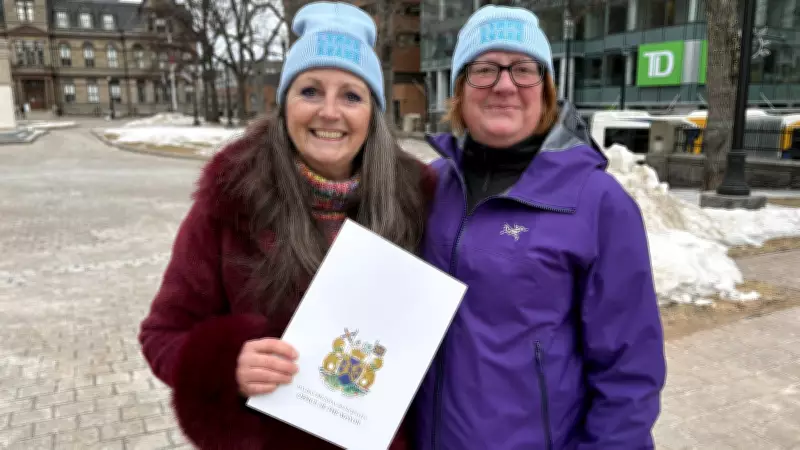
Navigating Lymphoedema: A Nova Scotia Woman's Struggle with 'Zero Support'
In a heartfelt account, Erica Fleck from Nova Scotia has opened up about the profound challenges she faced after being diagnosed with lymphoedema, a chronic condition characterized by swelling in the body's tissues due to lymphatic system issues. Fleck describes her experience as one marked by a lack of adequate support, stating she encountered 'zero support' from the healthcare system during her initial stages of navigating the diagnosis.
The Diagnosis and Immediate Hurdles
Lymphoedema, often resulting from damage to the lymphatic system—such as from cancer treatments, surgery, or infections—requires ongoing management to alleviate symptoms and prevent complications. For Fleck, the diagnosis came with a wave of uncertainty and frustration. She recounts how the information provided was sparse, leaving her to seek out resources and treatment options largely on her own. This gap in guidance is a common issue for many patients with chronic illnesses, where systemic barriers can exacerbate the emotional and physical toll.
Manual lymphatic drainage therapist Lynn Gray, who works with Fleck, emphasizes the importance of specialized care in managing lymphoedema. Gray explains that manual lymphatic drainage, a gentle massage technique, is crucial for reducing swelling and improving fluid flow. However, access to such therapies is often limited, with many patients facing long wait times or high costs, further compounding their struggles.

Systemic Barriers in Healthcare
Fleck's story sheds light on broader structural issues within the healthcare system. She points out that survivors of intimate partner violence and other vulnerable groups often face similar barriers, as highlighted in recent reports. These challenges include inadequate funding for chronic disease management, lack of trained professionals in rural areas like Nova Scotia, and insufficient patient education programs.
Without proper support, individuals with lymphoedema may experience worsening symptoms, increased risk of infections, and a significant impact on their quality of life, Fleck notes. Her journey underscores the need for improved policies and resources to assist those living with this condition.
The Role of Community and Advocacy
Despite the hurdles, Fleck has found solace in connecting with others through support groups and advocacy efforts. She encourages patients to seek out community resources and to voice their needs to healthcare providers and policymakers. By sharing her story, she hopes to raise awareness about lymphoedema and push for changes that ensure better access to care.
In conclusion, Erica Fleck's experience with lymphoedema in Nova Scotia highlights critical gaps in healthcare support for chronic conditions. Her call for more comprehensive services and education resonates as a vital step toward improving outcomes for patients across Canada.