The Nightmare Scenario for Long-Distance Caregivers
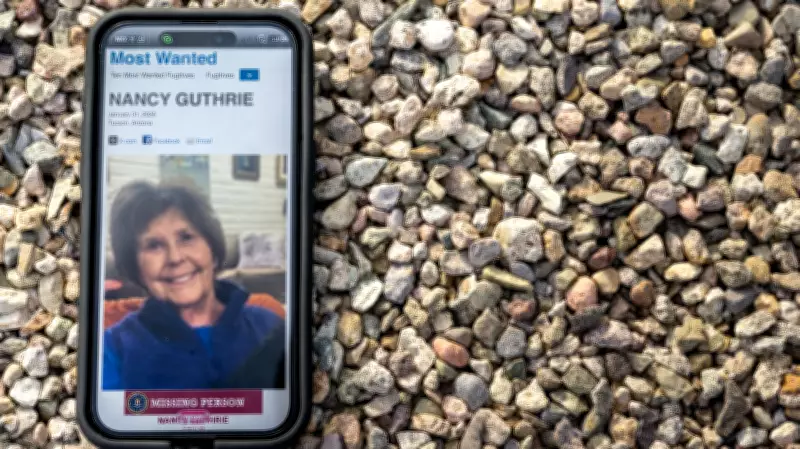
The disappearance of 84-year-old Nancy Guthrie has become both an urgent criminal investigation and a chilling reflection of the fears experienced by millions of Americans caring for aging parents from afar. Guthrie, mother of Today show host Savannah Guthrie, was last seen on January 31 after being dropped at her Tucson, Arizona home following a family dinner. Authorities believe she was taken against her will, with doorbell camera footage showing a masked, armed individual at her residence.
A Growing Demographic of Concern
While elder abductions remain rare, Guthrie's case has amplified anxieties among the approximately one in four Americans who serve as family caregivers. According to the latest AARP report, more than 10% of these caregivers live an hour or more away from their care recipients—a situation familiar to Savannah Guthrie, who resides in New York City while her mother lived in Arizona.
"The biggest scare that I had as a long-distance caregiver, and I hear from others, is missing out on that moment when you are critically needed, and it becomes a life-changing event," said Marvell Adams Jr., CEO of the nonprofit Caregiver Action Network.

Technological Solutions and Their Limits
Remote monitoring technology has become increasingly vital for long-distance caregiving. AARP data shows usage of remote tools like medication reminders and system alerts has nearly doubled from 13% in 2020 to 25% in 2025. These technologies range from wearable pendants that detect falls—the leading cause of injury among those 65 and older—to motion sensors and video surveillance systems.
Kylie Meyer, co-director at Case Western Reserve University's University Center on Aging and Health, emphasizes that technology must be complemented by practical safety measures: "It's helpful for caregivers to use a fall risk assessment checklist for homes that can help families put in grab bars in the shower or take rugs out that could be a fall hazard."
Yet even the most sophisticated systems have limitations. Adams Jr. recalls his own experience as a long-distance caregiver for his mother in South Carolina while he lived in Baltimore: "One night, my mother fell and no one else knew for about two days. She didn't have on her bracelet that would have alerted us that she fell."
The Emotional Toll of Distant Caregiving
Beyond practical challenges, long-distance caregivers often grapple with significant emotional burdens. "There is this guilt that can come along with the fact that I must care for this person and protect them because they raised me or they were my advocate when I needed them," Adams Jr. explained.
Maral Karaccusian, director of the Aging and Disabilities Department for Los Angeles County, notes that caregiver support is essential: "The guilt of feeling 'if I did this, they would still be here' or worries about what you should have done can be common among caregivers." She recommends seeking perspective through support groups or trusted individuals who can acknowledge caregivers' efforts.
Building Circles of Care
Experts emphasize that successful long-distance caregiving requires creating multiple layers of support. Neighbors often become informal caregivers without realizing it—bringing in mail, checking on unusual activity, or providing occasional meals. Technology platforms like Lotsa Helping Hands can help coordinate tasks among family members, though their effectiveness depends on consistent participation.
Perhaps most crucially, families should initiate conversations about care preferences before emergencies arise. "It's much easier to have these conversations for planning when you know your loved one is healthy and with it," Karaccusian advised. These discussions might address preferences about returning home after hospitalization or considering retirement community options.
When Systems Work—And When They Can't
In Guthrie's case, her care circle functioned as designed when she failed to appear for a February 1 church service with friends who knew her punctuality habits. They immediately contacted her daughter, launching the investigation within hours of her disappearance.

Yet some emergencies defy even the best preparations. "The tragic and very unusual nature of an older adult being kidnapped—I don't know if anybody could plan for that," Adams Jr. acknowledged. As families nationwide watch Guthrie's case unfold, it serves as a sobering reminder of both the vulnerabilities of aging adults living alone and the complex realities facing those who care for them across distances.