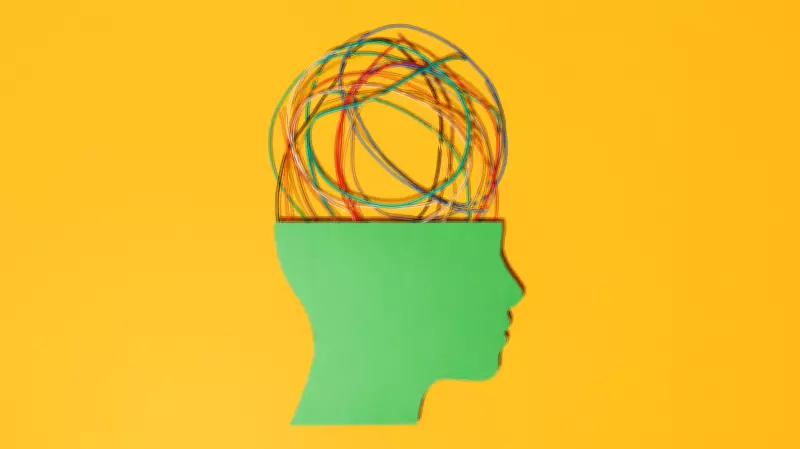
Dementia Prevention: 8 Lifestyle Habits That May Reduce Your Risk
As individuals age, numerous health concerns emerge, but one fear often stands out as particularly consuming. "One of the most consuming fears of older adults is that they might lose their memory and become a burden to others," explained Dr. James Ellison, a geriatric psychiatrist at Jefferson Health in Philadelphia. This specific type of memory loss, known as dementia, is an umbrella term for conditions causing severe cognitive decline that impacts daily functioning, according to Dr. Victor Henderson, director of the NIH Stanford Alzheimer’s Disease Research Center in California.
Dementia can manifest as forgetting one's address, losing track of errands, or being unable to manage routine bills. While genetics play a role, lifestyle factors are also believed to influence risk. "Let me begin with a caveat; there are a lot of lifestyle factors that have been associated with the risk of developing dementia. The caveat is that most of these haven’t been studied, at least adequately studied, in randomized clinical trials," Henderson noted. This means the following habits may not guarantee prevention, but they offer broad health benefits, from reducing dementia risk to improving cardiovascular health and mood.
1. Ignoring the Impact of Diet on Brain Health
Dietary choices are crucial for brain health, mirroring recommendations for heart health. "We always have said, what’s good for the heart is good for the brain," said Dr. Rudy Tanzi, director of the McCance Center for Brain Health at Massachusetts General Hospital. Dr. Christina Prather, director of the Division of Geriatrics and Palliative Medicine at George Washington University, recommends the Mediterranean diet, rich in healthy fats, lean meats, whole grains, fruits, and vegetables. She also suggests the MIND diet, which emphasizes whole grains, beans, berries, leafy greens, fish, and olive oil, and notes that plant-based diets can support cognitive function.

2. Not Managing Other Health Conditions
Aggressively managing medical issues like diabetes, high blood pressure, and high cholesterol is essential. "Really aggressively managing those risk factors is well established to be a way of reducing the risk of cognitive health dementia in the future," Prather stated. Dr. Ellison added that this is particularly important for vascular risk factors such as atrial fibrillation, as it protects blood flow and oxygen supply to the brain, helping prevent vascular dementia, a common form of the disease.
3. Not Getting Enough Restorative Sleep
Adequate sleep is vital for brain renewal and reducing beta amyloid, a toxic protein linked to Alzheimer’s. "People need to sleep adequately because the brain renews itself during deep sleep and lowers its concentration of beta amyloid," Ellison emphasized. Prather highlighted the epidemic of undiagnosed sleep apnea in older adults, which disrupts sleep quality. Treating sleep disorders and avoiding sleep-inducing medications can ensure restorative sleep for memory consolidation and optimal cognition.
4. Not Making Time for Social Connections
Social engagement is key to cognitive health. "We know that loneliness and depression and isolation are exceptionally negative for health," Prather noted, adding that they impact cognition and mortality. Ellison compared loneliness to moderate smoking in terms of mortality risk. Engaging in conversations or listening to stories from loved ones helps keep the mind active and socially connected.
5. Drinking Too Much Alcohol
Recent research underscores alcohol's negative effects on health, including brain function. "I tell people, if you’re having issues with your cognition or you’re worried about your memory, one of the first pieces of advice I’m going to give you is to reduce your alcohol use," Prather advised. Alcohol is a direct toxin that can disrupt sleep and increase cancer risk. After age 65, it’s recommended to limit intake to no more than one drink per day and seven per week, aligning with CDC guidelines of two drinks daily for men and one for women.

6. Skipping Out on Exercise
Physical activity supports both cardiovascular and brain health. Ellison recommends a generally active lifestyle combined with aerobic exercise, such as walking for errands or attending workout classes. "It’s recommended that older adults exercise 30 minutes aerobically, five days a week, but only about 10% of those over 75 meet that level of activity," he said. Prather stresses prioritizing fitness well before cognitive changes occur.
7. Not Wearing a Helmet
Head injuries are consistently linked to dementia risk. "One of the things I tell my patients is, if you’re bicycling, wear a helmet," Henderson stated. While the population-level impact may be modest, on an individual level, preventing head trauma is crucial for reducing dementia risk.
8. Ignoring Depressive Symptoms
Depression can disrupt cognitive health by affecting socialization, exercise, self-care, and diet. "So, treatment of depression may be one way of improving cognitive aging," Ellison explained. Addressing depressive symptoms, whether severe or low-grade, supports overall brain function.
Dementia rates are decreasing slightly, possibly due to improved cardiovascular care, but the number of cases is rising as people live longer. "If you look at the actual chance of getting dementia at a particular age, it’s actually come down slightly, not a whole lot, but slightly, and it seems to parallel advances in taking care of cardiovascular health," Henderson noted. Early intervention with FDA-approved medications for Alzheimer’s is important, and discussing cognitive challenges with a doctor is advised.
Prather concluded that while genetics and unmodifiable factors play a role, lifestyle changes offer control over risk. "But, for many of us, we can make changes to our lifestyle and know confidently that we’ve done everything that we can to prevent this," she said. It’s essential not to blame individuals who develop dementia, as prevention is not always possible, but adopting these habits can support brain health and overall well-being.