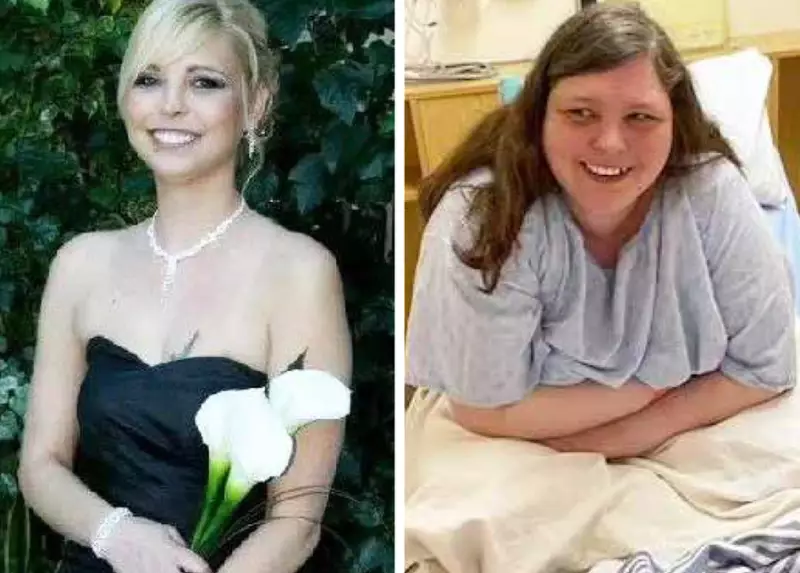
Jolene Van Alstine, a 45-year-old mother from Saskatchewan, was scheduled to legally end her life through Canada's Medical Assistance in Dying (MAID) program on January 7, 2026. That date has now passed, not with a death, but with renewed hope, thanks largely to the intervention of American conservative commentator Glenn Beck.
A Scheduled Date with Death Averted
Van Alstine suffers from a rare and excruciatingly painful form of parathyroid disease, specifically normocalcemic primary hyperparathyroidism. After years of struggling with severe pain, nausea, vomiting, and an inability to regulate her body temperature, and facing a lack of surgical options in Saskatchewan, she had lost hope. She was approved for MAID, with January 7, 2026, marked as the first day she was eligible to proceed. "I never wanted to go through with MAID but I lost hope," Van Alstine told the Toronto Sun, acknowledging her Roman Catholic faith views suicide as a sin, but stating she could no longer endure the constant suffering.
Glenn Beck's Cross-Border Lifeline
The trajectory of her story changed when Glenn Beck learned of her plight. The influential podcaster and journalist used his platform to appeal to the American medical community for help. He successfully connected Van Alstine with the Norman Parathyroid Center near Tampa, Florida, which pledged to cover the costs of her surgery or treatment. Beck also offered to fly Van Alstine and her partner, Miles Sundeen, to the United States for care.

While immediate travel for surgery is currently on hold, Beck's intervention catalyzed a new, collaborative medical strategy. Doctors from Florida, Saskatchewan, and Ontario are now consulting on her case. The current plan involves a course of high-dose calcium and vitamin D, recommended by a Toronto specialist and agreed upon by the Florida surgeon. This treatment aims to lower her parathyroid hormone levels. If successful, she may avoid another surgery and instead require long-term monitoring by an endocrinologist.
A Glimmer of Hope Amid Ongoing Pain
Van Alstine remains in significant pain and discomfort, describing nights spent under a cooling blanket with her home's temperature as low as 13°C, or sleeping on a cold bathroom floor to cope with overheating. However, the mood has shifted from despair to cautious optimism. Beck has personally called to check on her, and a previously missed online consultation with a Hamilton-based doctor has been rescheduled for the coming week.
"I'm just praying that I get treatment, whether it be medication or surgery. I just want to feel well again," Van Alstine said, managing to show a sense of humor that had been long buried. She expressed profound gratitude for the outpouring of support and prayers from people across both Canada and the United States.
The case highlights ongoing debates about MAID access and the challenges Canadians with complex, rare diseases can face within the domestic healthcare system. For Jolene Van Alstine, January 7th was a milestone of life, not death, as she and her medical team work toward a future where assisted dying is no longer the only perceived option for relief.