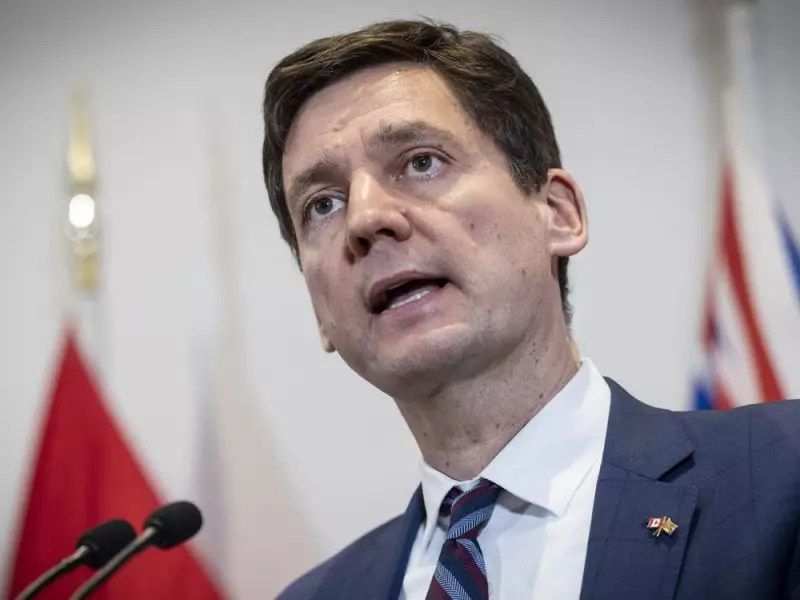
Five months after British Columbia Premier David Eby declared the province's system for funding expensive drugs for rare diseases was "obviously" not working and demanded a review, no concrete fixes have been implemented.
Review Launched Amid Public Outcry Over Specific Case
The call for an overhaul came after the provincial government faced intense criticism for its handling of the case of Charleigh Pollock, a 10-year-old from Vancouver Island. Charleigh suffers from Batten disease, a rare and fatal neurodegenerative condition with no cure.
Initially, the B.C. government supported an expert committee's recommendation to discontinue her treatment, which costs more than $800,000 per year. However, following a significant public outcry, the government reversed its decision, citing advice from experts in the United States.

Ministry Says Review Ongoing, No Timeline Provided
In response to inquiries this month, the B.C. Ministry of Health confirmed the internal review is still underway. "We will have information to share once it’s complete," said the ministry in an email from senior public affairs officer Calvin Cen.
The ministry did not provide a timeline for the review's completion. Health Minister Josie Osborne was not made available for an interview.
According to its written statement, the ministry stated the review "continues to explore" ways to improve the expensive-drugs-for-rare-diseases process to better serve patients, families, experts, and decision-makers.
Goals of Transparency and Trust Amid Committee Resignations
The ministry outlined its goal to create a system that is more transparent and responsive, where patients feel supported and understand the process, and where committee members have adequate resources.
Provincial officials acknowledged a need to strengthen public understanding of how the program works. "Greater transparency can help build trust and ensure that patients and families feel heard and informed as decisions are made," the ministry stated.
The fallout from the government's reversal in the Pollock case was significant. Ten members of the 58-member provincial advisory committee resigned in protest. The province confirmed none have returned and they have not been replaced.
Ministry officials noted that the impacted subcommittees and main committee still have enough members to form a quorum, and the drug approval process has continued in the interim.