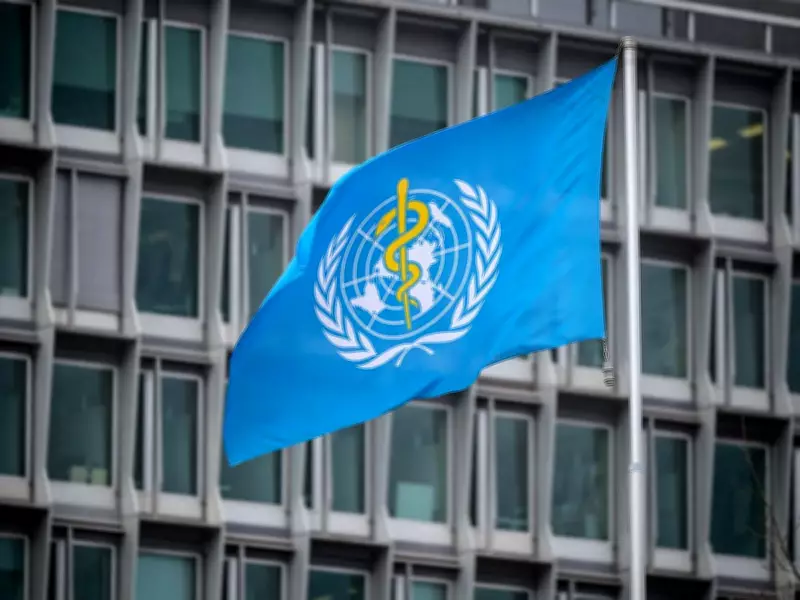
World Health Organization Forced to Slash Workforce Amid Major Funding Cuts
The World Health Organization faces one of its most challenging periods in history as significant funding reductions force dramatic staffing cuts. Director-General Tedros Adhanom Ghebreyesus announced on Monday that the Geneva-based agency must reduce its workforce by approximately 25 percent by mid-2026, characterizing 2025 as "one of the most difficult years" for the global health body.
Funding Withdrawals Trigger Staff Reductions
The staffing crisis stems directly from major donor countries withdrawing financial support. The United States completed its withdrawal last month, removing hundreds of millions in annual funding and eliminating the WHO's top donor. Argentina has also announced its intention to exit the organization, with its departure expected to take effect this month.
These funding cuts are already having severe consequences in countries where the WHO supports critical public health systems. Vaccination programs, outbreak response capabilities, and other essential health services face immediate threats as resources diminish.

Workforce Numbers and Impact
According to recent WHO reports, the organization employed 9,457 people at the end of 2024, representing its highest headcount in 15 years. The planned reduction of about 25 percent of positions will significantly impact the agency's global operations.
Director-General Tedros warned that these cuts come at a particularly precarious time for global health. "The strain is coming as the world braces for a projected shortage of 11 million health workers by 2030," he stated, highlighting how reduced WHO capacity could exacerbate existing healthcare workforce challenges worldwide.
Executive Board Meetings and Future Direction
The WHO's executive board is currently holding its 158th session, where governments are reviewing priorities ranging from health emergencies and antimicrobial resistance to budgets, governance, and digital health. Over six days, diplomats will debate politically sensitive issues and establish the agenda for more significant decisions later this year.
These discussions will directly influence May's World Health Assembly, where member countries must determine how much financial support and authority to grant the WHO as it responds to global health crises and redefines its role. The outcomes of this week's meetings will help determine whether future talks result in compromise or confrontation.
Looking Toward Recovery
Despite the bleak financial picture, Tedros struck a cautiously optimistic note about the organization's future direction. "2026 will not be about austerity but restore," he declared, emphasizing that "the people of this organization continue to serve the world" despite the funding shock and deep staffing cuts.
The WHO leadership appears focused on recovery rather than mere belt-tightening, suggesting strategic repositioning rather than simple retrenchment. However, the immediate reality involves significant workforce reductions that will inevitably affect the organization's capacity to address global health challenges during a period of increasing need.