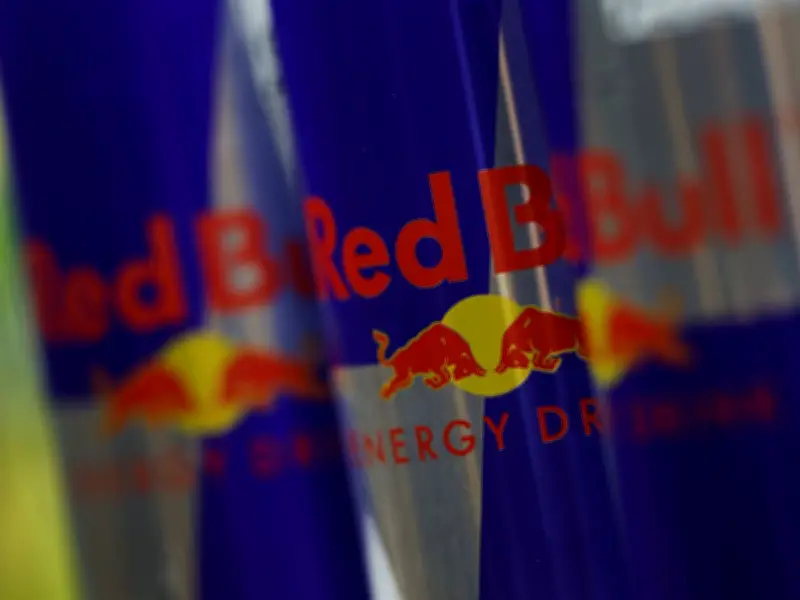
The death of 15-year-old Zachary Miron in January 2024 was a tragedy no one can be indifferent to. The Quebec teenager died during a school ski trip after consuming a Red Bull energy drink while taking prescription ADHD medication. A coroner’s report concluded the interaction of his stimulant medication with caffeine caused the cardiac arrhythmia that took his life. Zachary’s parents have become tireless advocates for restricting youth access to energy drinks, and their grief demands respect.
What grief alone cannot supply, however, is good policy. Earlier this month Quebec’s National Assembly fast-tracked into law a bill tabled by Health Minister Sonia Bélanger banning the sale of energy drinks to anyone under the age of 16. The motivation for the bill is understandable but the logic behind it is inconsistent with important facts, while its implications extend well beyond the minors it is supposed to protect.
Inconsistencies in the Ban
It needs to be emphasized that Quebec’s coroner did not find that caffeine, in isolation, killed Zachary Miron. Rather, caffeine interacted fatally with Zachary’s ADHD medication, a class of stimulant drugs that physicians routinely caution can compound the cardiac effects of any caffeinated substance. The Red Bull Zachary consumed contained approximately 80 milligrams of caffeine, which Health Canada has set as the regulatory ceiling for energy drinks. A medium Tim Hortons coffee, available to anyone of any age at roughly 10,000 locations across this country, contains 205 milligrams. A large contains 270. A Starbucks Grande Pike Place brewed coffee contains 310 milligrams, nearly four times the caffeine of the beverage now targeted for restriction. A Venti reaches 410 and Venti Blonde Roast reaches 475.

Quebec will now card a teenager buying a Red Bull at a corner store while the province’s Tim Hortons drive-thrus dispense large coffees at 270 milligrams, lattes at 205, and iced cappuccinos at 205, to anyone who can reach the counter. Yet the coroner’s warning about the interaction of caffeine with ADHD medication applies with equal force to every one of those beverages.
Selective Regulation
Quebec’s bill achieves this selectivity through a definitional manoeuvre. It targets beverages with a caffeine concentration above 150 milligrams per litre that also contain taurine, vitamins or minerals, thereby carving energy drinks into a special regulatory category while leaving coffee entirely alone. But the coroner’s report only cited caffeine’s interaction with the ADHD medicine, not taurine, vitamins or minerals.
The province has constructed a sub-category of caffeinated beverage, labelled it dangerous and borrowed the authority of a tragedy to justify banning its sale to young people. Yet Canadian Beverage Association data, cited on the floor of the National Assembly by the only member who tried to slow the bill’s passage, shows that energy drinks account for only 11 per cent of teen caffeine consumption. Quebec fast-tracked its law to address the minor fraction of the problem while leaving 89 per cent of teen caffeine intake unaffected.