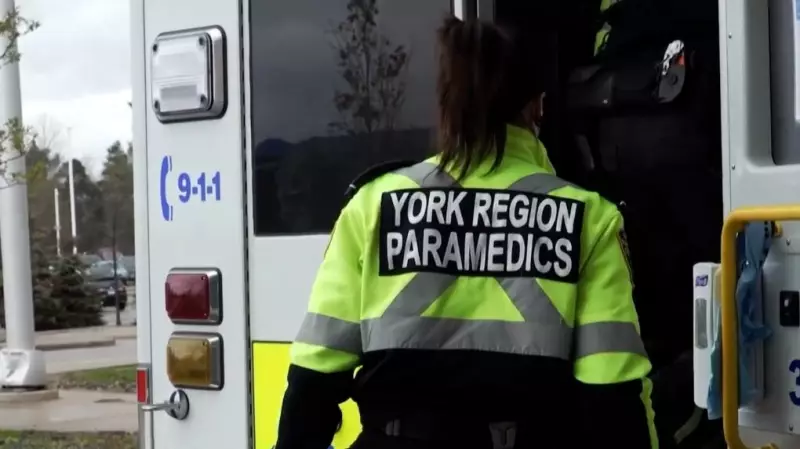
In a move designed to save crucial minutes during emergencies, York Region Paramedic Services has announced a new strategy to significantly enhance its response times. The service will begin utilizing existing transit-only lanes to navigate through traffic more efficiently.
A Strategic Shift for Faster Emergency Care
The initiative, confirmed in December 2025, represents a practical adaptation of current infrastructure to serve a critical public safety need. By legally accessing lanes reserved for public transit, paramedic vehicles, including ambulances, will be able to bypass general traffic congestion. This is expected to shave valuable seconds and minutes off arrival times at the scenes of medical emergencies, accidents, and other incidents where rapid medical intervention is vital.
The decision underscores a growing focus on innovative solutions to urban response challenges. As traffic volumes increase in the Greater Toronto Area and surrounding regions like York, traditional routes can become unpredictably delayed. This program directly addresses that obstacle by repurposing underutilized road space for life-saving missions.

Implementation and Expected Impact
While the original announcement, reported by Cheryl Browne, did not specify an exact launch date, the policy shift was formalized in late 2025. The plan involves coordination with municipal transit authorities to ensure smooth integration. Paramedics will receive updated protocols and training regarding the safe use of these designated lanes.
The primary expected outcome is a measurable decrease in average response times across York Region. Faster arrival means earlier patient assessment, stabilization, and transport to hospital facilities. For conditions like cardiac arrest, stroke, or severe trauma, where "the golden hour" is paramount, this logistical change could directly improve survival rates and patient outcomes.
Broader Context for Emergency Services
This initiative in York Region aligns with a broader national conversation about optimizing emergency service delivery. It demonstrates a shift from simply adding more resources to working smarter with existing assets. The use of transit infrastructure for emergency purposes is a cost-effective strategy that other municipalities across Canada may observe and potentially adopt.
The success of the program will likely be monitored through key performance indicators such as:
- Average response time from call receipt to scene arrival.
- Reliability of travel times during peak congestion periods.
- Feedback from paramedic crews on route efficiency.
Ultimately, the move to leverage transit-only lanes is a clear commitment from York Region Paramedic Services to innovate for the community's benefit. It turns a routine piece of traffic management infrastructure into a potential lifeline, ensuring that when an emergency call comes in, help can get there as fast as humanly and logistically possible.