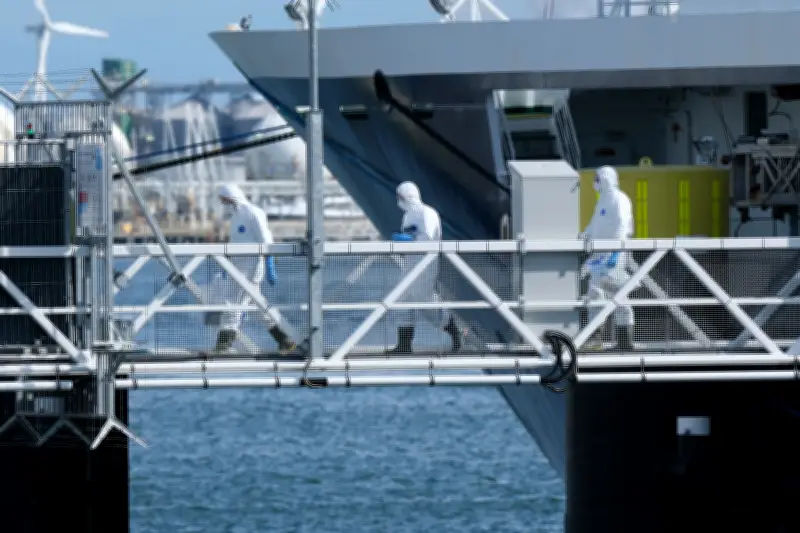
The recovery of a Canadian who contracted hantavirus on a cruise ship this spring has prompted a closer look at how such rare infections are managed at sea. The incident, which made headlines in June 2026, underscores the challenges of containing diseases in confined environments like cruise ships.
What Happened
A Canadian passenger fell ill with hantavirus pulmonary syndrome after returning from a cruise. Health officials confirmed the diagnosis and traced the exposure to rodents on the ship. The patient has since recovered, but the case raised alarms about cruise ship sanitation and monitoring.
Public Health Response
Authorities quickly isolated the affected areas and conducted inspections. The cruise line implemented enhanced cleaning protocols and rodent control measures. Passengers were notified and offered medical advice.

Broader Implications
Hantavirus is rare but serious, with a mortality rate of about 38%. Cruise ships, with their dense populations and international travel, pose unique risks. This case has led to discussions about improving surveillance and response plans for unusual pathogens.
Lessons Learned
- Early detection: Prompt diagnosis and isolation are critical.
- Communication: Clear information to passengers helps prevent panic.
- Prevention: Rodent control and hygiene are essential on ships.
As travel rebounds post-pandemic, health experts emphasize the need for robust systems to handle rare diseases. The cruise industry is reviewing its protocols to prevent future incidents.