Deadly Fungi Proliferate in California, Leading to Multiple Fatalities
At least three individuals have tragically lost their lives after consuming highly toxic Death Cap mushrooms, which are currently spreading across California in the wake of significant rainfall. The dangerous fungi, known scientifically as Amanita phalloides, have been reported in various regions, prompting urgent public health warnings.
Rising Threat Following Wet Weather Conditions
The recent heavy rains in California have created ideal growing conditions for these lethal mushrooms. Experts note that Death Caps often emerge in moist environments, particularly near oak trees, and can be easily mistaken for edible varieties by foragers. This has led to a spike in poisonings, with authorities emphasizing the extreme danger posed by even small amounts of the toxin.
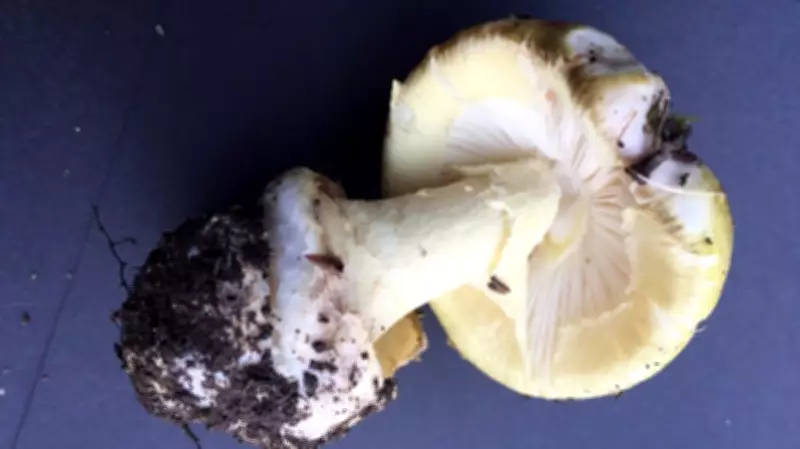
Key characteristics of Death Cap mushrooms include:

- A pale green to yellow cap
- White gills and a skirt-like ring on the stem
- A bulbous base enclosed in a sac-like volva
Consumption can lead to severe symptoms such as abdominal pain, vomiting, and liver failure, often appearing hours after ingestion when medical intervention becomes critically challenging.
Public Health Advisory and Safety Measures
Health officials are urging residents to exercise extreme caution. "Foraging for wild mushrooms carries significant risks, especially with toxic species like the Death Cap now more prevalent," stated a representative from the California Department of Public Health. They recommend that individuals:
- Avoid picking and eating any wild mushrooms unless absolutely certain of their identification
- Seek immediate medical attention if poisoning is suspected
- Educate themselves on local toxic fungi through reliable resources
The spread of Death Caps highlights broader concerns about environmental changes influencing hazardous species distribution. As climate patterns shift, similar outbreaks may become more frequent, necessitating enhanced public awareness and preparedness.