Calgary Fatality Inquiry Probes Death Following COVID-19 Vaccination
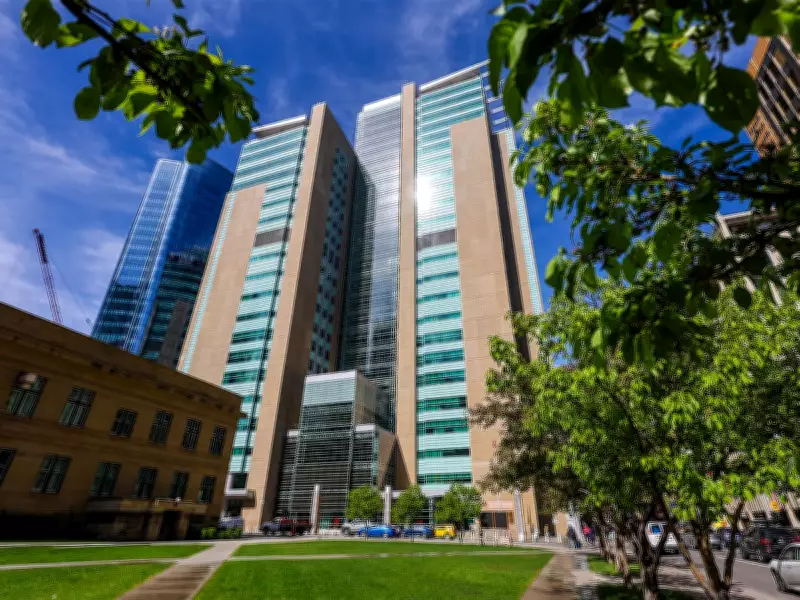
A Calgary family continues to seek clarity and closure following the tragic death of a city man, with a judicial inquiry now examining whether his passing months after receiving COVID-19 vaccinations was connected to the medical interventions. The inquiry, which began this week at the Calgary Courts Centre, aims to determine if preventive measures could avert similar tragedies in the future.
Pathologist Testimony on Vaccine Link Investigation
During Monday's proceedings, forensic pathologist Dr. Akmal Coetzee-Khan provided crucial testimony regarding the medical investigation into the death of 47-year-old Joseph Chad Haws. The pathologist stated that examining Haws' internal organs for "spike proteins"—components associated with COVID-19 vaccines—would not have established a causal link between his death and the vaccinations he received months earlier.
"Such an examination would only have shown one thing—the fact Joseph Chad Haws had been vaccinated before dying from complications related to capillary leak syndrome," Dr. Coetzee-Khan testified. He explained that spike protein detection would merely confirm vaccination status, not demonstrate causation, especially since Haws' death occurred approximately ten months after his second vaccine dose.

Family's Legal Representation and Medical Questions
Family lawyer Eva Chipiuk, representing Haws' relatives at the inquiry, challenged the pathologist's methodology and conclusions. Chipiuk suggested that testing Haws' lung tissue for spike proteins could have helped determine whether his two COVID-19 vaccines—AstraZeneca in April 2021 and Pfizer in June 2021—contributed to his sudden deterioration and death in February 2022.
"Do you expect with a vaccine for spike proteins to be in the lungs?" Chipiuk asked during cross-examination. "My understanding is you can take a test of the lungs post-mortem and see whether or not there is spike protein in the lungs."
Dr. Coetzee-Khan maintained his professional position, responding that spike protein testing would typically involve blood analysis rather than lung tissue examination. "To tell you what? Because we already know he had the vaccine, it would just tell you he had been vaccinated. All it would prove is that he had been vaccinated," the pathologist asserted.
Medical Timeline and Inquiry Focus
The inquiry heard detailed testimony about Haws' medical history following vaccination. After receiving his first AstraZeneca dose in April 2021, Haws experienced leg swelling—though medical professionals ruled out deep vein thrombosis. He reported no adverse reactions following his second Pfizer vaccine in June 2021.
Nearly eight months later, on February 18, 2022, Haws began complaining of severe abdominal pain. When emergency medical services arrived, he had become unresponsive. Transported to hospital and admitted to intensive care, his condition rapidly deteriorated, leading to his death the following day.
In a pre-hearing ruling, Justice Paul Mason established that the five-day inquiry would focus specifically on determining the cause of Haws' death and examining whether his COVID-19 vaccinations played any role. The justice noted that after the first vaccine, the deceased "seemed to have a possible reaction to that vaccine," making this line of inquiry particularly relevant.
Scientific Debate and Preventive Objectives
The proceedings revealed significant disagreement between legal and medical perspectives on post-vaccination investigation protocols. Chipiuk referenced scientific literature suggesting that vaccine components typically remain localized rather than spreading throughout internal organs, while Dr. Coetzee-Khan emphasized the limitations of post-mortem spike protein detection months after vaccination.
Beyond determining causation, the inquiry serves a broader public health purpose. As outlined in its mandate, the examination aims to identify potential steps that could prevent similar deaths in the future, providing valuable insights for medical professionals, public health authorities, and vaccine safety monitoring systems.

The Calgary fatality inquiry represents a careful balancing act between addressing family concerns, examining scientific evidence, and contributing to ongoing vaccine safety surveillance. As testimony continues this week, medical experts, legal representatives, and judicial authorities will collaborate to establish factual clarity while honoring the memory of Joseph Chad Haws and supporting his grieving family.