British Columbia has recorded a 28 per cent decrease in toxic drug deaths in April 2026 compared to the same month last year, according to data released by the provincial coroner's office. The report, published on June 11, 2026, shows that the number of lives lost to toxic drugs continues to decline, offering a glimmer of hope in the ongoing overdose crisis.
Key Statistics
In April 2026, there were 142 suspected toxic drug deaths in B.C., down from 197 in April 2025. This marks the lowest monthly total since December 2020, when 130 deaths were recorded. The decrease represents a significant improvement, though officials caution that the numbers remain high compared to pre-pandemic levels.
Regional Breakdown
The decline was observed across most health authorities. Vancouver Coastal Health saw a 32 per cent drop, while Fraser Health experienced a 25 per cent reduction. Northern Health and Interior Health also reported decreases, though Island Health saw a slight uptick. Rural and remote communities continue to face challenges with access to treatment and harm reduction services.

Context and Response
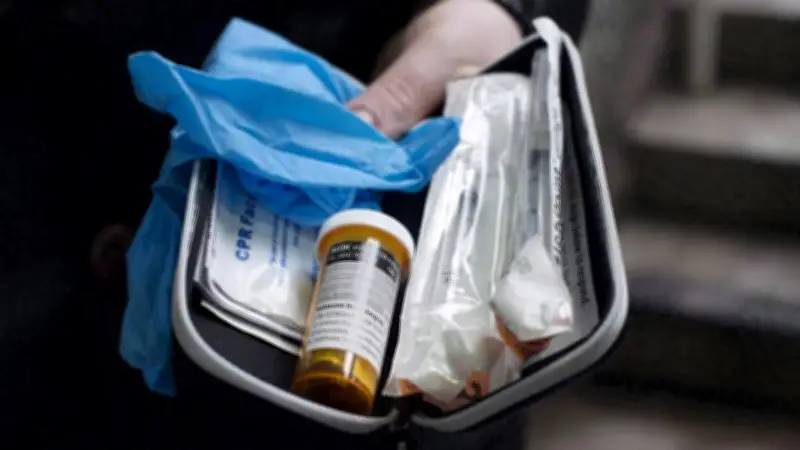
B.C. declared a public health emergency in 2016 due to the overdose crisis. Since then, more than 14,000 people have died. The recent decline is attributed to expanded access to naloxone, safer supply programs, and increased awareness. However, advocates stress that more work is needed to address the root causes of addiction, including poverty and trauma.
Minister of Mental Health and Addictions Jennifer Whiteside called the numbers encouraging but warned against complacency. "Every life lost is a tragedy, and we must continue our efforts to save lives," she said in a statement. The province has committed to increasing funding for treatment beds and mental health supports.
Community Impact
Families affected by the crisis express cautious optimism. Sarah Thompson, who lost her brother to an overdose in 2022, said, "It's good to see fewer families grieving, but we can't stop now. We need to ensure that help is available for everyone who needs it." Harm reduction organizations emphasize the importance of continued investment in prevention and recovery services.
The data also shows a shift in the substances involved, with fentanyl still present in the majority of cases but a rise in benzodiazepine-related deaths. This underscores the need for adaptable strategies to address the evolving drug supply.
As B.C. moves forward, the focus remains on saving lives through a comprehensive approach that includes public education, law enforcement, and health care collaboration. The 28 per cent drop in April is a positive sign, but officials acknowledge that the crisis is far from over.