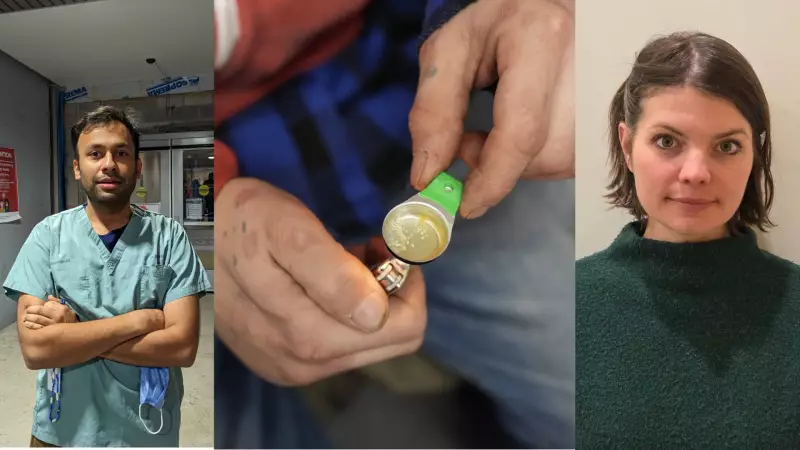
A dangerous and concerning trend is taking hold within Toronto's unregulated drug supply, as substances designed to sedate large animals are being found with increasing frequency mixed with powerful opioids like fentanyl. This development is raising significant alarms among public health officials and frontline workers, who warn it creates a more volatile and deadly landscape for people who use drugs.
The Emerging Threat in the Drug Supply
According to data and analysis from Toronto's Drug Checking Service, samples of street drugs are now routinely containing veterinary tranquilizers, such as xylazine and medetomidine. These chemicals are not intended for human use and are far more potent than typical cutting agents. Dr. Sunil Guta of St. Michael's Hospital in Toronto has been monitoring the health impacts, noting that these adulterants complicate medical responses to overdoses. Unlike opioids, which can be reversed with naloxone, the effects of these tranquilizers are not counteracted by the common overdose-reversal drug, leading to prolonged sedation and severe medical complications like skin wounds and infections.
Why This Dangerous Mix is Spreading
Karen McDonald, the executive director of Toronto’s Drug Checking Service, explains the rationale behind this alarming shift. In a market dominated by potent synthetic opioids like fentanyl, dealers are seeking additional substances to extend their supply and increase profits. Animal tranquilizers, which are often cheaper and easier to obtain than other drugs, provide a powerful sedative effect that can mimic or enhance a high. However, this creates a "poisoned" and unpredictable supply, where users have no reliable way of knowing what they are consuming or at what dosage. This unpredictability drastically increases the risk of fatal and non-fatal overdoses.

Consequences and the Path Forward
The infiltration of these non-opioid tranquilizers represents a significant escalation of the ongoing overdose crisis. It undermines established harm reduction strategies, as naloxone becomes less effective, and places immense strain on emergency healthcare services. The situation demands a multi-faceted response, including expanded and more sophisticated drug checking services, increased public awareness about the changing drug supply, and greater access to safer supply programs. Experts stress that without urgent intervention, the human toll of this toxic drug crisis will continue to rise, marking a grim new chapter in Toronto's public health emergency.