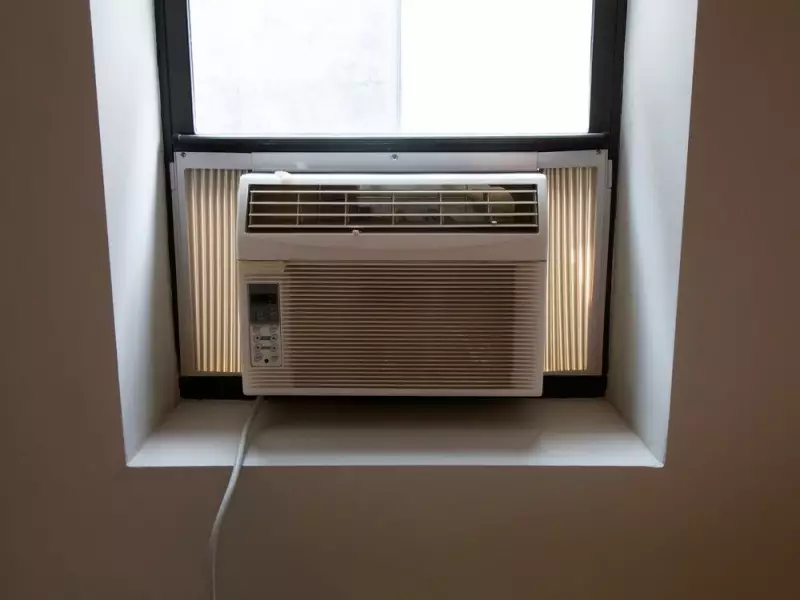
A groundbreaking study has confirmed that an Ontario government policy requiring air conditioning in all nursing home rooms has saved dozens of lives during periods of extreme heat. The research, published in the prestigious journal JAMA Internal Medicine, provides concrete evidence of the life-saving impact of climate control for vulnerable seniors.
The Study's Life-Saving Findings
The analysis examined mortality odds in Ontario's long-term care homes during extreme heat events over a 13-year period, from 2010 to 2023. A key finding was that extreme heat was linked to a significantly higher risk of death for residents in homes without air conditioning, compared to those living in cooled environments.
Prior to 2020, the majority of older nursing homes in the province did not have air conditioning in individual resident rooms. The situation reached a crisis point during the summer of 2020, when COVID-19 pandemic restrictions confined residents to their sweltering rooms during a heatwave, unable to access cooler common areas.

A Policy Promise Fulfilled
In response to public outcry, Premier Doug Ford pledged to mandate air conditioning in all resident rooms. While implementation took time, the policy was eventually fulfilled, ensuring every nursing home resident in Ontario had access to a cooled room.
Dr. Nathan Stall, a geriatrician and scientist at Sinai Health in Toronto and one of the study's authors, emphasized the policy's success. The installation of air conditioning in all homes after 2020 resulted in 33 fewer resident deaths on extreme heat days, according to the research.
"This is a commendable thing the government took on and executed with life-saving results. We should be proud of this as a public policy," Dr. Stall stated. He highlighted that the crossover study clearly demonstrates the impact of the provincial policy and underscores that air conditioning is an essential health tool, not just a comfort.
Broader Implications for a Warming Climate
While celebrating Ontario's success, the research raises urgent concerns about other populations at high risk from extreme heat who lack access to cooling. Dr. Stall pointed to the deadly 2021 heat dome in British Columbia, where 619 people died, most of whom were older adults living in apartments without air conditioning—a tragic pattern seen in other parts of Canada as well.
The study arrives as the number of extreme heat days increases. In response to this growing threat, some municipalities are taking action. This past summer, the City of Toronto began a program to offer air conditioning units to low-income seniors with health needs, mirroring larger-scale initiatives in cities like Portland, Oregon.
The Ontario mandate stands as a powerful case study, proving that proactive policy can directly prevent mortality as climate change intensifies summer heat waves.