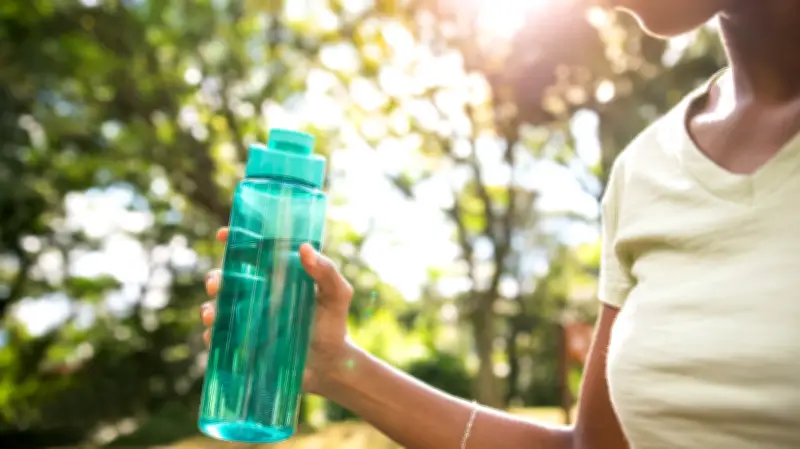
Inadequate hydration becomes a significant issue during the summer months. As temperatures rise and people sweat more, nearly everyone could benefit from increasing fluid intake. Dehydration ranges from mild—requiring just an extra glass or two of water—to severe, potentially leading to life-threatening complications such as heatstroke. Research indicates that even mild dehydration, defined as losing 1% to 2% of the body's water, can significantly impair daily functioning. However, recognizing early-stage dehydration is challenging because common signs are not always associated with fluid intake.
1. Bad Breath or Dry Mouth
While not a guaranteed indicator, bad breath can signal dehydration, according to Dr. Melissa Leber, an emergency medicine physician at Mount Sinai Morningside in New York City. The University of Michigan Health System explains that dehydration reduces saliva production, which normally helps break down food and rinse the mouth. "The reduced cleaning action of the saliva allows bacteria to grow, causing bad breath." Dry mouth may also indicate dehydration, though other causes include medications or nerve damage. If your mouth feels persistently sticky or you feel constant thirst, consult a doctor.
2. Muscle Spasms or Cramps
Experts believe dehydration and electrolyte depletion—low levels of minerals like sodium and potassium—contribute to muscle cramps during exercise. These minerals help balance pH levels and control nervous system function. Cramping from dehydration is not limited to athletes; walking on a hot day can trigger muscle pain or tightness. Involuntary spasms or charley horses, termed tetany by Dr. Leber, warrant attention.

3. Headaches
Headaches are a common sign of mild to moderate dehydration, ranging from tolerable to intense. Dehydration can also trigger migraines, possibly because it temporarily shrinks brain tissue, causing pain. Researchers note that this shrinkage may be a direct cause of headache.
4. Dark Urine
Health professionals often diagnose dehydration by testing urine concentration, Dr. Leber said. A simple home check involves examining urine color. The Mayo Clinic advises: "If it's pale yellow, you're hydrated. If it's a darker yellow, it's time for a glass of water (or two)." Generally, clearer urine indicates better hydration. However, urine color can be affected by medications or foods, so consult a doctor if concerned.
5. Summer 'Flu' Symptoms
Feeling generally unwell—headaches, dizziness, lightheadedness, or nausea—may be mistaken for a virus, but could be dehydration. "Anything that's flu-like could be dehydration," Dr. Leber said. More moderate or severe dehydration can cause fever or chills. "You actually can feel pretty terrible," she added.
6. Hunger
Thirst and hunger cues both originate partly from the hypothalamus, the brain region controlling these functions and body temperature. If you feel hungry soon after eating, consider whether thirst is the real cause. Many signs of dehydration overlap with hunger, leading to confusion.
7. Fatigue
Staying hydrated is crucial for maintaining energy. Hydration helps deliver nutrients to cells and supports organ function. Dehydration can cause sluggishness. Additionally, hydration affects sleep quality. The Sleep Foundation notes: "Hydration is important for most systems of the body, which is why dehydration can have diverse symptoms, including effects on sleep." However, overhydration can cause frequent urination at night, leading to fatigue. Balance is key.

How to Get More Water Throughout the Day
There are no strict rules for daily water intake; the six-to-eight-glasses rule has been questioned by experts. Dr. Leber recommends drinking to thirst—drink when thirsty and stop when not. However, thirst is not always reliable, especially in older adults with diminished sensitivity. The Mayo Clinic warns that by the time you feel thirsty, you may already be mildly dehydrated. The key is to stay conscious of hydration and plan ahead. Carry a reusable water bottle, consider one with time markers, or opt for herbal tea or fruit-infused water. "You have to prepare more if you're going to be out in the heat and sweating," Dr. Leber said. "If you're planning to spend any amount of time out in the sun, you need to prepare. Ideally, you would start preparing the day before by drinking some extra fluids."