Pharmaceutical Titans Deliver Starkly Different Obesity Market Forecasts
In a remarkable 19-hour period, the two dominant players in the weight loss pharmaceutical sector presented dramatically divergent outlooks that sent shockwaves through financial markets. Novo Nordisk stunned investors with a warning that sales could decline by as much as 13 percent this year, while Eli Lilly followed with an optimistic forecast predicting growth of up to 27 percent.
Strategic Differences Drive Financial Divergence
The contrasting fortunes of these pharmaceutical giants stem from several significant factors. Novo's weight loss medication Wegovy, which pioneered the modern obesity drug market nearly five years ago, faces earlier generic competition due to its longer market presence. In stark contrast, Lilly's Zepbound enjoys another decade of patent protection, providing substantial competitive insulation.
Marketing approaches have also created separation between the companies. Lilly established a direct-to-consumer platform that resonated powerfully with patients more than a year before Novo implemented similar strategies. This early mover advantage in patient engagement has translated into measurable market performance differences.

Market Reactions and Analyst Perspectives
The financial markets responded decisively to these contrasting forecasts. Lilly's shares surged as much as 11 percent following their earnings report, while Novo's stock closed 17 percent lower on the same day. This dramatic divergence caught the attention of industry observers and analysts alike.
"I'm shocked at the disparity between the two stocks," remarked Mizuho healthcare specialist Jared Holz. "When it comes down to how both companies have been able to market their products and work with payers and what the pricing dynamics look like over near term, Lilly has just done a far better job."
BMO Capital Markets analyst Evan Seigerman captured the sentiment with his declaration that "The obesity GOAT reigns supreme" following Lilly's earnings report, highlighting the company's current market dominance.
Novo's Strategic Response to Market Pressures
Novo Nordisk leadership has framed their current challenges as strategic investments in long-term market positioning. "The price reduction that is happening now — and it is in some way painful to the financial numbers — is an investment for our future," explained Novo chief executive Mike Doustdar. "That is our strategy and we're going to stick to it."
This represents a significant shift for the company that essentially created the modern weight loss drug category. Following Wegovy's approval nearly five years ago, the medication became the second-most searched item on Google, according to former Novo executives. The drug, which is a higher-dose version of the diabetes medication Ozempic, became a cultural phenomenon synonymous with weight loss transformation.
Supply Challenges and Market Evolution
The extraordinary demand that initially propelled Novo's success eventually created operational challenges. The Danish pharmaceutical company struggled with manufacturing shortages of semaglutide, the active ingredient in their medications. This supply constraint created opportunities for competitors and led to the emergence of a cottage industry offering alternative obesity treatments through social media channels.
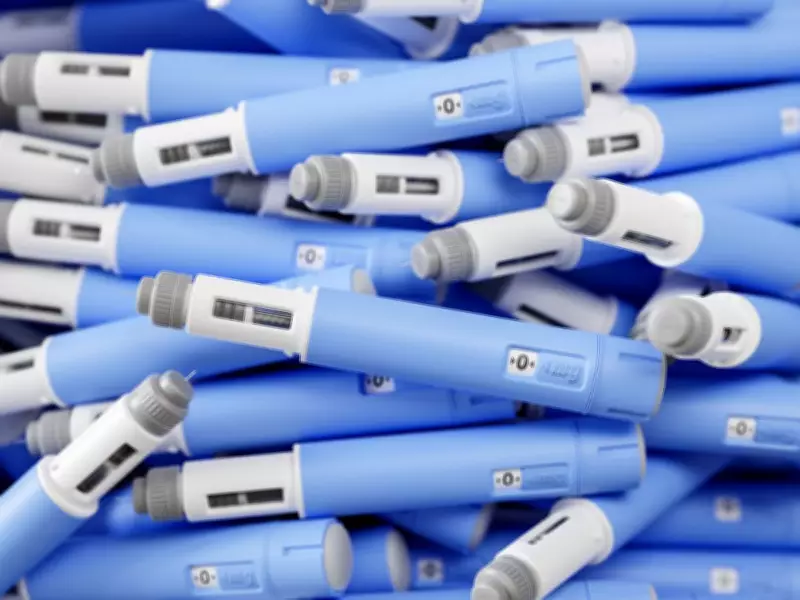
Lilly faced different manufacturing challenges with Zepbound, encountering bottlenecks related to the complex production of injection pens rather than active ingredient shortages. Both companies have invested billions in expanding manufacturing capacity to meet sustained market demand.
The Changing Landscape of Obesity Pharmaceuticals
The current divergence between these industry leaders reflects broader shifts in the weight loss drug market. What began as parallel growth stories for both companies has evolved into distinct strategic paths. Novo's early market creation and subsequent supply challenges contrast with Lilly's later entry, stronger patent position, and effective marketing execution.

This development marks a significant moment in the pharmaceutical industry's approach to obesity treatment, demonstrating how patent life, marketing strategy, and manufacturing capability combine to create competitive advantages in this rapidly evolving therapeutic category.