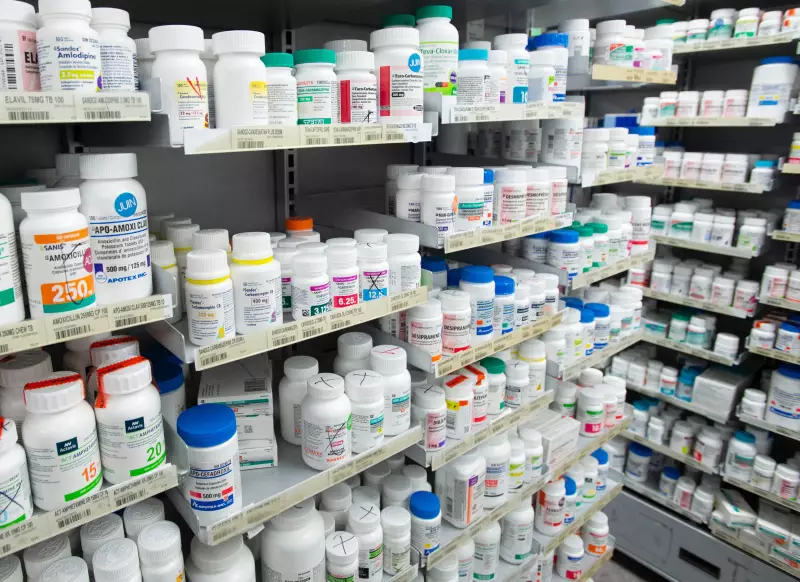
In a significant move to restore international confidence in its pharmaceutical industry, India has ordered all drug manufacturers to comply with global quality standards by January 2026. This decisive action comes following a series of tragic deaths linked to contaminated cough syrups produced in the country.
Immediate Regulatory Response
The Indian government has issued a firm deadline of January 2026 for pharmaceutical companies to implement international manufacturing practices. This directive affects hundreds of drugmakers across the nation, requiring comprehensive upgrades to production facilities and quality control systems.
The regulatory crackdown was triggered by multiple incidents where cough syrups manufactured in India were found to contain dangerous contaminants. These products have been connected to numerous fatalities worldwide, damaging the reputation of India's $50 billion pharmaceutical industry.

Global Impact and Canadian Implications
While the immediate regulatory changes affect Indian manufacturers, the implications are global in scope. Canada, like many Western nations, imports numerous generic medications and pharmaceutical ingredients from India. The enhanced quality standards should provide greater assurance to Canadian healthcare providers and patients about the safety of these imported medicines.
Health Canada monitors all pharmaceutical imports and maintains its own rigorous approval processes. However, the strengthened Indian regulations will likely streamline the verification process for drugs entering the Canadian market.
Industry Transformation Timeline
Indian pharmaceutical companies now face a compressed timeline to achieve compliance. The mandated standards align with World Health Organization Good Manufacturing Practices and other international benchmarks that ensure drug safety and efficacy.
Industry analysts predict that while larger manufacturers may already meet these standards, smaller companies will require significant investment in facility upgrades and staff training. The Indian government has indicated it will provide technical support but will not extend the January 2026 deadline.
This regulatory overhaul represents one of the most substantial quality initiatives in India's pharmaceutical history. The successful implementation of these standards could restore global trust in Indian-made medicines while setting a new benchmark for emerging market drug manufacturing.