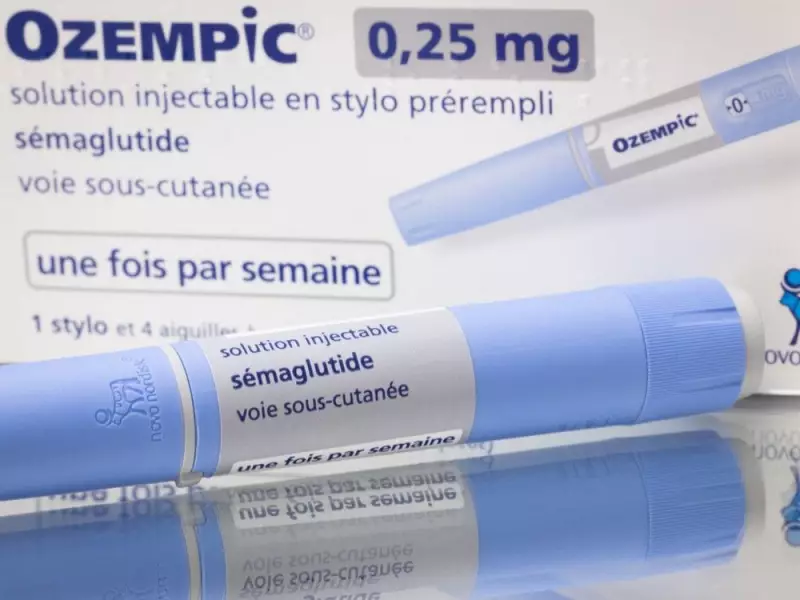
The potential arrival of generic versions of popular diabetes and weight-loss drugs like Ozempic could lead to significant price reductions for Canadians, with one Calgary specialist forecasting costs may fall by as much as a third.
Patent Expiry Opens Door for Competition
The key patent held by Danish pharmaceutical giant Novo Nordisk on semaglutide, the active ingredient in Ozempic and Wegovy, expired in Canada on January 4. This legal change clears the path for other drug manufacturers to produce and sell generic, or bio-similar, versions of the medication at a lower price point.
Ozempic was originally approved by Health Canada in 2018 for treating Type 2 diabetes but gained widespread public attention in recent years for its off-label use in weight management. Its sister drug, Wegovy, is specifically approved for weight loss. Both belong to a class of drugs known as GLP-1 receptor agonists.

Multiple Companies Seek Manufacturing Approval
Already, at least five companies have submitted proposals to Health Canada seeking permission to manufacture a generic form of the drug. Some of these applications date back to February 2024.
The companies named in the proposals include major players in the generic pharmaceutical industry: Apotex, Aspen Pharmacare Canada, Taro Pharmaceuticals, Sandoz Canada Inc., and Teva Canada Ltd.
While experts are cautious about predicting an exact timeline for when these generic drugs might appear on pharmacy shelves, there is consensus that their approval will make the treatment far more accessible. Currently, patients can pay around $400 per month for the brand-name version of Ozempic.
Experts Predict Significant Cost Savings
Dr. Sue Pederson, a Calgary endocrinologist, is optimistic about the financial relief generic versions could bring. "It's going to cut the cost for people who currently can't afford the brand medication," she stated, adding she has heard estimates that the price tag could drop to about one-third of the current cost.
Other experts offer a more conservative, yet still significant, forecast. Dr. David Lau, an adjunct biochemistry professor at the University of Calgary's Cumming School of Medicine, noted that generic drugs typically cost about 20% less than their brand-name originals. "A reduction of 20 per cent is significant, but that still means it's a costly medication," he acknowledged.
The demand for such medications is substantial. Statistics Canada data from 2021 indicates that nearly 30% of adult Canadians were living with obesity, a notable increase from 21% in 2001. Dr. Pederson explained the drug's dual mechanism: "For weight loss, it tells our brain that we feel full so it reduces appetite... It controls diabetes by talking to the pancreas and helping it to control blood sugar." Beyond its primary uses, the medication has also been shown to improve conditions like fatty liver disease and arthritis-related knee pain, and reduce heart attack risk in certain patients.
Dr. Scot Simpson from the University of Alberta's Faculty of Pharmacy attributed the drug's popularity to its pioneering status. "It was one of the first to market," he explained, highlighting how early adoption and effective results fueled its widespread use.
The coming months will be crucial as Health Canada reviews the manufacturing proposals. For many Albertans and Canadians managing diabetes or obesity, the approval of generic semaglutide could represent a major step toward affordable, effective treatment.